
Recovery from addiction is possible with the right combination of support, treatment, and practical resources. Whether you’re seeking help for yourself or supporting someone you care about, Canada offers a wide range of services spanning medical treatment, peer support groups, crisis intervention, family counseling, educational materials, and financial assistance programs. The path to recovery looks different for everyone, which is why having access to multiple types of resources matters.
The good news? You don’t need to navigate this alone or figure everything out at once. Professional treatment centers provide evidence-based therapies and medical supervision for withdrawal and stabilization. Community organizations offer peer support groups where people share experiences and strategies in judgment-free environments. Crisis hotlines operate around the clock for those urgent moments when immediate help makes all the difference.
Recovery isn’t just about stopping substance use. It’s about rebuilding your life, and that requires support on multiple fronts. Many people benefit from combining clinical treatment with peer connections, family therapy, and practical help like housing assistance or job training. Each type of resource serves a purpose, and what works best often depends on where you are in your journey right now.
This guide breaks down the full landscape of addiction recovery resources available across Canada. We’ll cover clinical and medical services, community and peer support networks, crisis intervention options, family and caregiver resources, educational tools, and practical considerations like cost and accessibility. You’ll find concrete information about what each type of resource offers and how to access it, so you can make informed decisions about the support that fits your situation.
Understanding What Recovery Resources Really Mean

When people think about recovery resources, they often picture only treatment centers or rehab facilities. That’s a starting point, but the full landscape of support is far broader and more diverse than you might realize. Recovery resources encompass everything that can help someone move toward wellness, from medical interventions and professional therapy to community connections, educational tools, and practical assistance with daily life challenges.
Understanding what recovery means helps clarify which resources might serve you best. Some resources address the physical aspects of addiction, detox programs, medication-assisted treatment, and medical monitoring. Others focus on mental and emotional healing through counseling, therapy, or psychiatric support. Peer support groups and recovery communities provide connection and shared experience, while educational materials help you understand addiction’s neuroscience and develop coping strategies.
Family resources matter too, offering support for loved ones navigating their own complex emotions and questions about how to help. Crisis services provide immediate safety nets during acute moments. Practical resources like housing assistance, employment programs, and transportation services remove barriers that might otherwise derail recovery efforts.
Think of recovery resources as a toolkit. You wouldn’t build a house with just a hammer, and you likely won’t build lasting recovery with just one resource. Different tools serve different purposes at different times. What helps during early recovery might differ from what sustains you years down the road, and that’s completely normal.
Professional Treatment and Medical Support
Finding Addiction Treatment Programs in Canada
Locating addiction treatment programs in Canada starts with your provincial health authority or family doctor, who can refer you to publicly-funded services. Each province manages its own system, so the process varies, British Columbia uses centralized intake through the Provincial Health Services Authority, while Ontario offers programs through local health integration networks. Alberta Health Services provides a single-point-of-contact system, and Atlantic provinces typically coordinate through regional health authorities.
Publicly-funded programs are free but often have wait lists ranging from weeks to several months, depending on location and program intensity. To secure a spot, ask about intake processes, required assessments, and whether you’ll be placed on a centralized list or need to contact multiple facilities individually. Some programs offer priority access for pregnant individuals or those facing immediate health risks.
Private treatment centers provide faster access, typically within days or weeks, with costs ranging from $10,000 to $50,000 for residential programs. Many accept insurance coverage, so check your benefits before ruling them out financially. Private doesn’t necessarily mean better outcomes, the right fit matters more than the price tag.
When researching programs, confirm they’re licensed and accredited by provincial authorities or national bodies like Accreditation Canada. Ask about treatment approaches, staff qualifications, aftercare planning, and whether they address co-occurring mental health conditions. Provincial addiction helplines can guide you toward options that match your needs and location, these services understand regional resources better than generic online searches.
Working with Healthcare Professionals

Your family doctor is often the best starting point for recovery. They can assess your situation, rule out underlying health issues, and refer you to specialized services. Many GPs now offer medication-assisted treatment directly in their practice, making support more accessible without lengthy wait times for specialists.
Psychiatrists become valuable when mental health conditions co-exist with addiction, which is extremely common. They can prescribe medications that stabilize mood, reduce cravings, or manage withdrawal symptoms. Combined with therapy, medication creates a foundation that makes recovery more sustainable.
Addiction counselors and therapists bring specialized knowledge about what works in treatment. They use approaches like cognitive-behavioral therapy to help you identify triggers and build new coping patterns. Some focus on trauma-informed care, recognizing that past experiences often fuel addiction.
You might work with one professional or a team. The combination depends on your needs, what’s available in your area, and what your insurance or provincial plan covers. Don’t hesitate to ask questions about their addiction training and treatment philosophy during initial appointments.
Virtual and Telehealth Options
Virtual addiction recovery support has expanded dramatically across Canada, removing geographic barriers that once limited access to care. Most provinces now offer publicly-funded telehealth counseling through programs like Ontario’s CAMH Digital Health Services or BC’s Virtual Substance Use Supports, where you can connect with addiction specialists via video or phone without leaving home.
Private online platforms like BetterHelp and Talkspace provide 24/7 access to licensed therapists who specialize in addiction, typically charging $60-90 per week for unlimited messaging plus scheduled video sessions. Many extended health plans now cover virtual counseling just as they would in-person appointments.
Virtual support groups have multiplied options too. You’ll find scheduled Zoom meetings for AA, NA, and SMART Recovery happening throughout the day and evening, meaning you can attend multiple meetings weekly regardless of your location or schedule constraints. Apps like Loosid and I Am Sober offer community features, sobriety tracking, and instant peer connection during vulnerable moments.
For rural Canadians especially, telehealth eliminates hours of travel and increases the likelihood of maintaining consistent support, a crucial factor in early recovery when routine matters most.
Peer Support and Community-Based Resources
12-Step and Mutual Aid Programs

Twelve-step programs like Alcoholics Anonymous (AA) and Narcotics Anonymous (NA) have helped millions find recovery through peer support and a structured spiritual approach. These programs are free, widely available, and operate on the principle that people with lived experience can uniquely support one another. Meetings happen daily across Canada, and you’ll find various formats, speaker meetings, discussion groups, and step-study sessions, so you can find what resonates.
If the spiritual elements don’t fit your approach, alternatives exist. SMART Recovery uses evidence-based techniques focused on self-empowerment and cognitive-behavioral tools. It teaches practical skills for managing cravings, thoughts, and behaviors without requiring belief in a higher power. Meetings are smaller but growing across Canada.
Other options include LifeRing Secular Recovery, which emphasizes personal responsibility and secular support, and Celebrate Recovery, a Christian-based program. Women for Sobriety offers female-specific support that addresses unique challenges women face in recovery.
Finding meetings is straightforward. AA and NA have online meeting finders organized by location and time. Most programs now offer virtual meetings alongside in-person options, making them accessible regardless of where you live or your schedule. You can attend anonymously, and there’s no pressure to share until you’re comfortable. Try different meetings and formats, each has its own personality, and finding the right fit matters more than sticking with the first one you attend.
Recovery Community Centers and Drop-In Services
Recovery community centers provide something precious that clinical settings often can’t: a casual, judgment-free space where you can just be while building connections with others who understand. These drop-in centers operate across Canada, offering everything from hot meals and coffee to art workshops, employment support, and recreational activities, no appointments needed.
Most centers welcome people at any stage of recovery, including those still using. You might find yoga classes, peer mentoring, life skills workshops, or simply a comfortable room where you can play cards and talk. Many operate daily, providing structure and social connection that combats the isolation that often threatens recovery.
Check your local health authority website or community services directory for centers near you. Organizations like the Canadian Community Support Network can help you locate peer-run centers in your province. Many offer services at no cost and don’t require identification or referrals, you can simply walk in.
Online Communities and Digital Support
Digital support has transformed recovery by making connection available whenever you need it, at 3 a.m., during a craving, or when you’re feeling isolated. Reddit’s r/StopDrinking and r/redditorsinrecovery offer anonymous communities where thousands share daily struggles and victories. Facebook hosts countless recovery groups, from general sobriety communities to niche groups for specific substances or demographics. Apps like I Am Sober track milestones and connect you with others at similar stages, while Loosid helps you find sober events and friendships in your area. Discord servers dedicated to recovery provide real-time chat and voice support. These platforms complement in-person resources rather than replacing them, offering immediate encouragement when traditional supports aren’t available. Just remember that advice in these spaces varies in quality, take what resonates and leave the rest.
Crisis and Emergency Resources
Sometimes recovery moments demand immediate help. Whether you’re experiencing a crisis, witnessing an overdose, or feeling unsafe, knowing where to turn can save a life, yours or someone else’s.
Crisis Lines and Immediate Support
Canada has several 24/7 crisis services staffed by trained counselors who understand addiction and mental health emergencies. These aren’t just for active crises; you can call when you’re struggling, considering using, or need someone to talk to at 3 a.m.
| Service | What They Offer | How to Access |
|---|---|---|
| Talk Suicide Canada | Suicide prevention and crisis support | Call 1-833-456-4566 (24/7) |
| Wellness Together Canada | Mental health and substance use support | Text WELLNESS to 686868 or visit |
| Good2Talk (Ontario post-secondary students) | Mental health and addiction support | Call 1-866-925-5454 or text GOOD2TALKON to 686868 |
| Kids Help Phone | Support for youth under 30 | Text 686868 or call 1-800-668-6868 |
Most provinces also operate their own mental health crisis lines. Check your provincial health ministry website for local numbers that connect you to services in your area.
Overdose Prevention and Naloxone
Supervised consumption sites and overdose prevention services exist across Canada, providing safe spaces to use substances with medical supervision available. These sites don’t judge; they keep people alive and connected to support when they’re ready.
Naloxone (Narcan) reverses opioid overdoses and is available free at most pharmacies across Canada without a prescription. Anyone can get a kit, learn to use it in five minutes, and potentially save a life. Carrying naloxone doesn’t mean you’re planning to use; it means you’re being realistic about risks.
When to Go to Emergency
Head to an emergency department if you or someone else experiences severe withdrawal symptoms (seizures, extreme confusion, hallucinations), chest pain, difficulty breathing, or any overdose situation after naloxone administration. ER staff deal with addiction-related emergencies regularly and can connect you to follow-up resources.
Resources for Family and Support Networks
Recovery affects entire families and support networks, not just the individual struggling with addiction. If you’re supporting a loved one through recovery, you need resources too, both to help them effectively and to protect your own wellbeing.
Family therapy programs specifically designed for addiction are available through many treatment centers and community mental health services. These programs help families understand addiction as a disease, improve communication, address relationship damage, and develop healthier interaction patterns. Some facilities offer family education sessions even if your loved one isn’t enrolled in their program.
Al-Anon and Nar-Anon provide peer support specifically for families and friends of people with alcohol or drug problems. These 12-step programs, separate from AA and NA, help you focus on your own healing rather than trying to control the person with addiction. Meetings are widely available across Canada, both in-person and online, and are completely free. Many family members report these groups help them understand they’re not alone and provide practical strategies for coping.
Learning to set boundaries is one of the most important skills for family members. Organizations like the Centre for Addiction and Mental Health (CAMH) offer educational resources and workshops that teach families how to support recovery without enabling destructive behavior or sacrificing their own mental health.
Many provinces also fund family support workers who can provide one-on-one guidance, help you navigate the healthcare system, and connect you with local resources. These professionals understand the unique stress families face and can offer practical advice tailored to your situation.
Remember, taking care of yourself isn’t selfish, it’s essential. You can’t pour from an empty cup, and your loved one’s recovery journey doesn’t require you to sacrifice your own wellbeing.
Educational and Information Resources
Understanding addiction and recovery from an evidence-based perspective helps you make informed decisions about your own journey or how to support someone else. Quality educational resources demystify what addiction is, how it affects the brain, and why certain approaches work, reducing stigma and building realistic expectations along the way.
Credible information comes from organizations grounded in science rather than fear or oversimplification. Trusted Canadian sources include the Canadian Centre on Substance Use and Addiction (CCSA), which publishes research summaries and practical guides, and the Centre for Addiction and Mental Health (CAMH), which offers free downloadable resources on everything from withdrawal symptoms to dual diagnosis. Internationally, the National Institute on Drug Abuse (NIDA) provides accessible explanations of addiction research and the Substance Abuse and Mental Health Services Administration (SAMHSA) offers toolkits and fact sheets tailored to different substances and populations.
For deeper learning, consider these formats based on your preferences:
- Books: “In the Realm of Hungry Ghosts” by Dr. Gabor Maté and “The Biology of Desire” by Marc Lewis offer compassionate, science-backed perspectives
- Podcasts: “Recovery Elevator” and “The Addicted Mind” feature interviews with researchers, clinicians, and people in recovery
- Documentaries: “The Anonymous People” and “Chasing the Dragon” illustrate recovery stories and the science of addiction
- Online courses: Many universities offer free courses on addiction science through platforms like Coursera
Education isn’t just about understanding the problem, it reveals pathways to solutions and reminds you that recovery is rooted in neuroscience, not willpower alone. The more you learn, the better equipped you become to navigate your options with confidence.
Practical Support Services
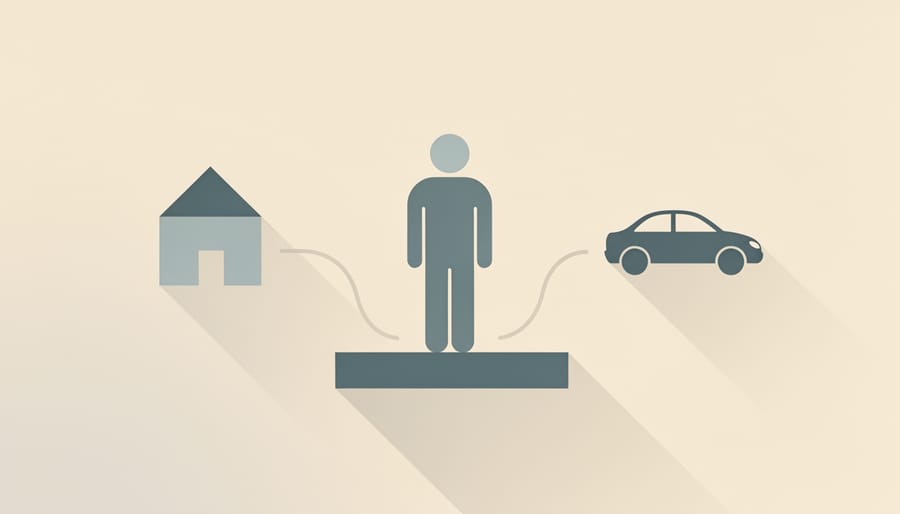
Recovery doesn’t happen in a vacuum. Beyond counseling and peer support, you need stable housing, income, and basic necessities to build a sustainable foundation. These practical resources often make the difference between maintaining sobriety and relapsing under stress.
Housing instability directly threatens recovery. Many communities offer transitional housing programs specifically for people in recovery, safe, sober environments with built-in support. Contact your local addiction services or community housing agencies to ask about recovery residences, which typically cost less than market rent and provide peer accountability. Some provinces fund emergency housing programs that prioritize people leaving treatment.
Employment programs help rebuild financial stability and self-worth. Organizations like Goodwill, Neil Squire Society, and local employment centers offer job training, resume workshops, and sometimes connections to recovery-friendly employers. Some addiction treatment centers include vocational counseling as part of their programs.
Legal issues often accumulate during active addiction. Community legal clinics across Canada provide free or low-cost assistance with matters like criminal charges, family law, debt, and housing disputes. Drug treatment courts in several cities offer supervised treatment as an alternative to incarceration for certain offenses.
Financial counseling addresses the debt, credit damage, and money management challenges common in recovery. Non-profit credit counseling agencies offer free budget planning and debt consolidation guidance. Some recovery programs include financial literacy workshops.
Transportation barriers can prevent you from attending treatment, meetings, or work. Ask treatment providers about bus passes, ride-sharing programs, or volunteer driver services. Some municipalities offer reduced transit fares for people in social support programs.
These services remove obstacles that could derail your progress. You don’t have to solve everything at once, start with your most pressing need.
How to Choose the Right Resources for Your Situation
Choosing the right resources isn’t about finding the perfect solution on the first try, it’s about understanding what you need right now and being willing to adjust as you go. Your recovery needs will change over time, and the resources that work today might evolve as you progress.
Start by honestly assessing where you are. Are you at the beginning of considering change, actively seeking treatment, maintaining sobriety, or rebuilding after a setback? Different stages call for different types of support. Someone in early recovery might prioritize medical detox and intensive counseling, while someone maintaining long-term sobriety might focus on peer support and wellness activities.
Consider these factors when evaluating resources:
- Identify your most pressing need, is it medical stability, emotional support, practical assistance, or connection with others who understand?
- Assess accessibility, can you realistically attend in-person programs, or would virtual options better fit your schedule, location, and responsibilities?
- Evaluate the approach, does the philosophy align with your values? Some prefer spiritual frameworks like 12-step programs, while others connect better with science-based approaches like SMART Recovery.
- Consider cost and coverage, what does your provincial health plan cover, and what out-of-pocket expenses can you manage?
- Ask about credentials, are facilitators trained professionals, certified peer supporters, or volunteers? All can be valuable, but transparency matters.
Don’t hesitate to ask questions before committing. Contact programs directly to inquire about their approach, success rates, wait times, and what a typical session involves. Most organizations welcome these conversations and respect informed decision-making.
Building your support network works best when you layer different types of resources. Combining professional treatment with peer support, educational materials, and practical services creates resilience. If you’re unsure where to begin, learning how to get help through structured guidance can clarify your first steps.
Remember that trying a resource and deciding it’s not the right fit doesn’t mean you’ve failed. Many people explore several options before finding what resonates. Give new resources a fair chance, attending a few meetings or sessions, but trust your instincts about what feels supportive versus what creates additional stress.
Recovery isn’t a straight line, and neither is finding the right support. Some resources will resonate immediately, others you’ll return to months or years later when you’re ready. What matters is that they’re there, waiting for you.
You’ve seen the range of options available across Canada: professional treatment, peer support, crisis services, family programs, educational materials, and practical assistance. This abundance isn’t overwhelming, it’s proof that recovery is possible through many different paths. Your journey doesn’t have to look like anyone else’s.
Start wherever feels manageable. Maybe it’s calling a helpline, attending one online meeting, or simply bookmarking a few resources for later. There’s no wrong first step, and you don’t have to commit to everything at once.
Reaching out for help isn’t weakness. It’s the clearest demonstration of strength there is, acknowledging you deserve support and taking action to get it. Every person in recovery started exactly where you are now, uncertain but willing to try.
The resources are here. The community is ready. And you’re already doing the hardest part by looking for answers. Your recovery journey is worth every bit of support available.