Recovery from addiction is real, common, and possible for people from every background. That’s the main fact to hold onto as you read. Addiction is a health condition, not a character flaw, and like many other health conditions, it can be treated, managed, and overcome with the right support. Most people don’t get there in a straight line, and no single path works for everyone, but many people have built lasting, meaningful lives in recovery.
If you’re searching for facts, you may be dealing with addiction yourself, worried about someone you love, or simply trying to understand it better. Wherever you’re starting from, you deserve information that’s clear, honest, and free of judgment. The internet is full of myths about willpower, “rock bottom,” and who can recover. This article sets the record straight with eight facts, from why setbacks don’t mean failure to how mental health and addiction often connect, and how medications, therapy, and community all play a role.
We’ve also kept a Canadian lens throughout, including the free and public supports available across the country, so the information you find here is practical, not just theoretical. Take what’s useful, and go at your own pace.
How We Chose These Recovery Facts
We started with the questions people ask most often and the myths that get in their way. Each fact earns a place here because it clears up a real misconception, and each one holds true across different substances and behaviours, so it’s useful whether you’re facing alcohol, opioids, gambling, or something else.
Every fact had to meet a few simple standards:
- Informed by guidance from Canadian health organizations.
- Canadian-relevant, reflecting the services and systems people here actually use.
- Free of stigma, using respectful language that never assigns blame.
- Useful for both individuals in recovery and the family and friends who support them.
Please keep in mind that this is general information, not personal medical advice. Your situation is your own, and a family doctor, counsellor, or other qualified provider can help you figure out what makes sense for you.
Eight Addiction Recovery Facts, From Myths to Hope
1. Addiction Is a Health Condition, Not a Character Flaw

Addiction is a health condition. It isn’t a sign of weak willpower, poor morals, or a flaw in someone’s character. Substance use and addictive behaviours can change how the brain handles reward, stress, and decision-making, which is why stopping often takes far more than “just trying harder.”
Brain chemistry is only part of the picture. Genetics, past trauma, chronic stress, living conditions, and mental health all shape whether someone develops a problem with substances. Two people can use the same thing and have very different outcomes for reasons neither of them chose.
Canadian health organizations, including the Canadian Centre on Substance Use and Addiction and Health Canada, describe substance use as a health issue rather than a moral one. That framing matters because it shapes how people are treated and whether they feel safe asking for help.
Blame tends to breed shame, and shame keeps people quiet. When we set it aside, it becomes easier to ask a family doctor a question, call a helpline, or tell someone you trust. Practical takeaway: if you’re struggling, treat yourself the way you’d treat anyone facing a health concern, with care and a willingness to find support.
2. Recovery Is Possible, and Many People Achieve It
Here’s something worth holding onto: recovery isn’t rare. Many people who struggle with substance use or other addictive behaviours go on to build stable, meaningful lives, and that includes people who once felt certain they never could. Change often takes more than one try, and it tends to unfold over months and years rather than overnight, but it does happen, in every community across Canada.
It also helps to know that recovery doesn’t follow a single script. For some people, it means stopping substance use completely. For others, it means reducing harm, repairing relationships, getting steadier at work, or simply feeling more like themselves again. Exploring what recovery means can be a good starting point, because the definition that fits you may not look like anyone else’s.
Practical takeaway: instead of measuring yourself against someone else’s story, ask what a better life would look like for you. That answer can guide your next step.
3. There Is No One-Size-Fits-All Path

Recovery isn’t a single road, and it doesn’t have to look like anyone else’s. What helps one person find stability might not fit another, and that’s completely okay. Age, culture, health, history with substances, and the people around you all shape what feels right.
Here are some of the pathways people commonly use:
- Counselling or therapy: one-on-one or group conversations that help you understand patterns and build coping skills.
- Peer support: sharing experiences with others who’ve been there, in person or online.
- Medical treatment: care from a doctor or nurse practitioner, which may include prescribed medication when appropriate.
- Community programs: local services, outpatient programs, and culturally grounded or Indigenous-led supports.
- Harm reduction: practical steps that lower risks and keep people safer while they decide what comes next.
Many people mix and match. Someone might start with a family doctor, add a peer group a few months later, and return to counselling when life gets stressful. Others try one approach, find it isn’t working, and switch to something else. That isn’t failure. It’s part of learning what works for you.
If your first choice doesn’t feel like a fit, you haven’t done anything wrong. A healthcare provider or helpline can help you explore other options at your own pace.
4. Setbacks Don’t Mean Failure
Many people expect recovery to be a straight line. For plenty of folks, it isn’t. A return to use can be part of the journey, and it doesn’t erase the progress someone has made. The skills, insight and connections built along the way are still theirs.
It helps to treat a setback as information rather than a verdict. It might point to a trigger that needs a plan, a stressor that’s piling up, or support that needs adjusting. That could mean seeing a counsellor more often, trying a different approach, or leaning on peers a little more for a while.
Shame tends to keep people quiet, and quiet makes things harder. Speaking to yourself the way you’d speak to a good friend can make it easier to reach out and try again.
Recovery is about direction, not perfection. Each day is a chance to keep going, and a setback doesn’t take that away.
5. Addiction and Mental Health Often Go Hand in Hand
Many people find that addiction and mental health challenges show up together, and that’s far more common than most of us realize. Anxiety, depression, and past trauma can sometimes lead a person to use substances as a way to cope, numb difficult feelings, or simply get through the day. Over time, substance use can also make those feelings heavier, which can create a loop that’s hard to break alone.
This doesn’t mean one condition “caused” the other, and it doesn’t mean anyone is to blame. It just means the two are often tangled together. If you’re curious about how anxiety and depression can overlap and affect daily life, that’s a helpful place to start.
What tends to help most is care that looks at the whole picture rather than treating one piece in isolation. When support addresses both substance use and mental health at the same time, people often find it easier to build steady, lasting progress. A family doctor, counsellor, or community health service can help you explore what that kind of integrated care might look like, at a pace that feels right for you.
6. Medications and Therapy Are Evidence-Based Supports

Therapy and medication are two of the best-studied supports in recovery, and many people find that using them together, or choosing between them, makes the road steadier.
Behavioral therapies help people understand the thoughts, feelings and situations that lead to substance use, then practise new ways of coping. If the term is unfamiliar, a behavioral approach is simply a type of therapy that focuses on changing unhelpful patterns through practical skills, like spotting triggers, managing cravings, and building routines that support well-being. Counselling can happen one-on-one, in a group, or with family members involved.
For some substances, medication can also help. A health professional may prescribe medicine to ease withdrawal, reduce cravings, or lower the risk of returning to use. These medications aren’t a shortcut or a replacement for effort. They’re one tool, and they work best alongside counselling and community support.
What matters most is that the plan fits you. Whether medication is appropriate depends on your health, your history and your goals, so that decision is made together with a doctor, nurse practitioner or addiction specialist. You can ask questions, share concerns, and revisit the plan as your needs change.
7. Family, Friends and Community Make a Real Difference
Connection is one of the most protective things in recovery. People who feel supported, rather than judged, are often more willing to reach out for help and to keep going when things get hard.
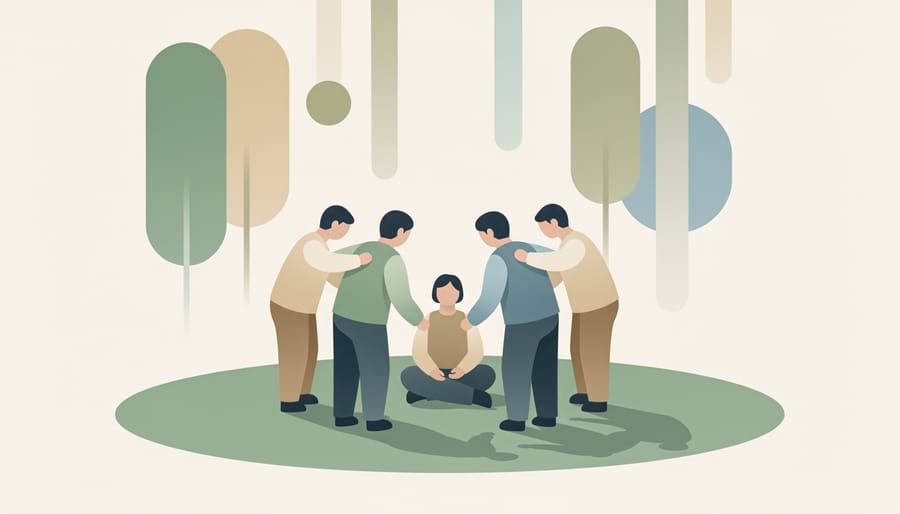
If someone you love is struggling, you don’t need perfect words. Listening without lecturing goes a long way. Try asking open questions, like “How are you feeling about everything lately?” and then really hear the answer. Learning about addiction as a health condition also helps you replace blame with understanding.
Supporting someone doesn’t mean giving up your own needs. You can set healthy boundaries that protect your well-being while still showing you care. Rest, talk to someone you trust, and make time for the things that keep you steady.
Across Canada, you’re not alone in this. Peer-led groups like Al-Anon and Nar-Anon offer family and friends a place to share experiences, and many community health centres and local services run support groups too. Availability varies by region, so check what’s offered near you.
8. Help Is Available Across Canada, Including Free and Public Options
Support in Canada comes in many forms, and a lot of it is free or publicly funded. A good first stop is your family doctor or a nurse practitioner, who can talk through options and connect you with care. Provincial and territorial health services run addiction and mental health programs, and community health centres often offer counselling and referrals close to home.
If you’d rather talk to someone right now, helplines are open to people who are struggling and to family members who aren’t sure what to do. Culturally appropriate and Indigenous-led services also exist, offering care grounded in community, tradition, and respect.
Availability and wait times differ by region, so it’s worth checking your provincial or territorial health website or calling a local helpline to confirm what’s offered near you. If one door doesn’t open, try another.
Common Questions About Addiction Recovery
How long does addiction recovery take?
There’s no set timeline, because recovery looks different for everyone. Some people notice meaningful change within weeks or months, while for others it’s a longer, ongoing process that unfolds in stages.
Is addiction treatment confidential in Canada?
In general, health professionals are required to protect your personal health information, and you can ask any service how it handles privacy before you start. There are limited exceptions, such as serious safety concerns, so it’s fair to ask about them upfront.
How can I support a loved one who isn’t ready for help?
Listen without blaming, share that you care, and let them know support is there whenever they want it. Looking after your own well-being matters too, and family and peer support groups can help you feel less alone.
Where do I start if I live in Canada?
A family doctor, community health centre, or provincial helpline is a gentle first step, and many public options are free. You can also browse our addiction recovery resources for ideas on what to try first.
If you’re still unsure which question applies to you, that’s completely okay. Starting with a simple conversation, whether with a healthcare provider, a helpline worker, or someone you trust, can make the next step feel much clearer and far less overwhelming.
Recovery is real, and it belongs to the person living it. Some people lean on a counsellor or a doctor, others on peers, family, or a community program, and many use a mix that shifts over time. You don’t have to figure it out alone or get it perfect.
If you’re ready for one small step, make it simple: talk with a healthcare provider, call a local helpline, or browse our Addiction and Recovery Resources when you have a quiet moment. Every journey starts somewhere, and yours is already underway. Be kind to yourself as you go.