

If you’re experiencing panic attacks, effective treatment is available, and understanding your options is the first step toward relief. Research shows that several evidence-based approaches help many people manage panic symptoms, though individual responses to treatment vary considerably.
Cognitive behavioral therapy (CBT) stands as one of the most studied interventions for panic disorder. This structured approach helps you identify and change thought patterns that trigger or worsen panic attacks. Many Canadians access CBT through mental health professionals in private practice, community mental health centers, or increasingly through publicly funded programs, though wait times differ significantly by province and region.
Medication represents another validated treatment path. Selective serotonin reuptake inhibitors (SSRIs) and benzodiazepines are commonly prescribed, each with distinct benefits and considerations. SSRIs typically require several weeks before symptom improvement begins, while benzodiazepines work quickly but carry dependency risks with long-term use. Your response to any medication is highly individual, so close collaboration with a healthcare provider matters.
Combination approaches, pairing therapy with medication, work well for some people, particularly those experiencing severe or frequent panic attacks. Meanwhile, lifestyle modifications like regular exercise, sleep consistency, and reducing caffeine intake support other treatments, though they’re rarely sufficient as standalone interventions.
The critical point: what works varies from person to person. Some find relief quickly with one approach, while others benefit from trying different options or combinations. Getting professional assessment helps identify which treatment path aligns with your specific situation, medical history, and preferences. Canadian healthcare coverage for mental health services varies, so checking what your provincial plan or private insurance covers can guide your next practical step.
Understanding Panic Attacks vs. Panic Disorder
Having a single panic attack doesn’t mean you have panic disorder. The distinction matters because it shapes what kind of help you need.
A panic attack is an episode of intense fear that triggers severe physical reactions, even when there’s no apparent danger. Your heart pounds, you can’t catch your breath, your chest tightens, and you might feel dizzy or nauseous. Some people describe feeling detached from reality or fearing they’re dying. The experience is genuinely terrifying, typically peaking within minutes before gradually subsiding.
What’s happening physiologically is your body’s threat response kicking into overdrive. Your sympathetic nervous system floods your system with adrenaline, preparing you for fight or flight, even though there’s no actual threat. Blood rushes to your major muscle groups, your breathing quickens to take in more oxygen, and your heart rate spikes. It’s an alarm system misfiring.
Panic disorder, however, is diagnosed when you experience recurrent unexpected panic attacks and spend at least a month worrying about having another attack or changing your behaviour to avoid them. You might start avoiding places where you’ve had attacks before, or situations where escape feels difficult. This avoidance pattern can seriously limit your life.
The diagnosis distinction affects treatment recommendations. Someone who’s had a panic attack during a particularly stressful period might benefit from learning grounding techniques and addressing the underlying stressors. Someone with panic disorder typically needs more comprehensive intervention, often involving therapy, sometimes medication, and strategies to break the avoidance cycle that keeps the disorder going.
If you’re having repeated panic attacks or your life is shrinking because of fear, that’s when professional assessment becomes important. A healthcare provider can determine whether you’re dealing with isolated attacks, panic disorder, or another anxiety condition that requires specific treatment.

First-Line Treatments: What the Research Actually Shows
Cognitive Behavioural Therapy (CBT): The Psychotherapy Standard
International clinical guidelines recommend CBT as the first-line psychotherapy for panic disorder because decades of research have shown it addresses the core mechanisms that maintain panic symptoms. Rather than simply managing symptoms, CBT teaches you to change the thought patterns and behaviours that keep the panic cycle going.
The therapy works by targeting what researchers call the “fear of fear” cycle. During panic attacks, you might misinterpret normal physical sensations (like a racing heart) as signs of imminent danger or death. CBT helps you identify these catastrophic interpretations and test them against reality. You learn that those terrifying sensations, while uncomfortable, aren’t actually dangerous.
A typical CBT course for panic disorder runs 12 to 16 weekly sessions with a trained therapist, though some people need more or fewer depending on symptom severity and how quickly they respond. Early sessions focus on education about panic and anxiety, helping you understand what’s happening in your body during an attack. Your therapist will work with you to map out your specific panic triggers and thought patterns.
The middle phase introduces exposure exercises, where you deliberately trigger mild physical sensations similar to panic symptoms in a controlled setting. This might sound counterintuitive, but intentionally spinning in a chair to feel dizzy or breathing through a straw to feel short of breath helps your brain learn these sensations aren’t dangerous. You’ll also practice going to places or situations you’ve been avoiding because of panic fears.
The final sessions focus on relapse prevention and maintaining your progress. Your therapist helps you develop a plan for handling future panic symptoms and identifies early warning signs to watch for.
Response to CBT varies considerably between individuals. Some people notice significant improvement within a few weeks, while others need the full course or additional sessions to see benefits. Factors like treatment adherence, symptom severity, and whether you have other co-occurring conditions all influence outcomes. What works remarkably well for one person might take longer or require adjustments for another, which is why working closely with your therapist to tailor the approach matters.

Medication Options: SSRIs and SNRIs
Selective serotonin reuptake inhibitors (SSRIs) and serotonin-norepinephrine reuptake inhibitors (SNRIs) are recommended as first-line medication options for panic disorder in clinical treatment algorithms. These medications work by increasing the availability of neurotransmitters in the brain that help regulate mood and anxiety responses, though the exact mechanism isn’t fully understood.
Common SSRIs prescribed for panic disorder include sertraline, paroxetine, fluoxetine, and escitalopram. SNRIs like venlafaxine are also used. These medications typically take four to six weeks to show noticeable effects, and finding the right medication and dosage often involves some trial and error with your doctor.
Unlike benzodiazepines, which work quickly but carry dependence risks, SSRIs and SNRIs as first-line meds are designed for longer-term use without the same addiction potential. They don’t provide immediate relief during a panic attack but can reduce the frequency and intensity of attacks over time when taken consistently.
Your doctor will typically start you on a low dose and gradually increase it based on how you respond and any side effects you experience. Common initial side effects include nausea, sleep changes, headaches, or increased anxiety in the first week or two, though these often diminish as your body adjusts.
It’s crucial to work closely with your healthcare provider throughout this process. Never stop taking these medications abruptly, as this can cause withdrawal symptoms. If a medication isn’t working for you or the side effects are intolerable, your doctor can help you taper off safely and try a different option. Some people find these medications helpful as part of their treatment plan, while others may respond better to therapy alone or a combination approach.
Other Evidence-Supported Approaches
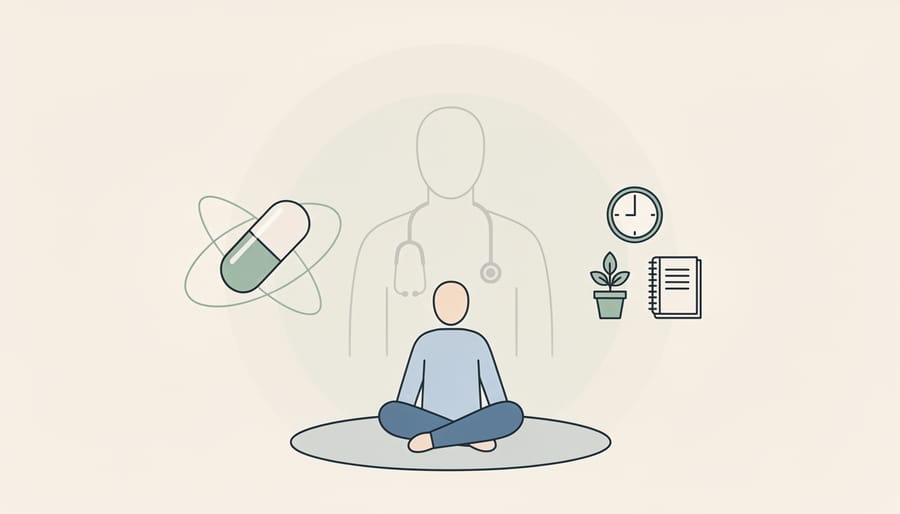
Beyond CBT and medication, several other therapeutic approaches have research support as part of comprehensive treatment for panic attacks. The key is finding what works for your specific situation, as individual responses vary considerably.
Exposure therapy, often integrated into CBT programs, involves gradually confronting feared situations or sensations rather than avoiding them. For panic disorder, this might include interoceptive exposure, deliberately inducing harmless physical sensations similar to panic symptoms (like increased heart rate from exercise) in a controlled setting. The goal is to reduce the fear response these sensations trigger. Some individuals find this approach helpful, while others may respond better to different interventions.
Progressive muscle relaxation and diaphragmatic breathing techniques can help manage the physical symptoms of panic. These aren’t quick fixes during an acute attack, but regular practice may reduce baseline anxiety for some people. The evidence supporting these techniques as standalone treatments is more limited than for CBT, though they’re frequently used as complementary approaches.
Mindfulness-based interventions have gained attention in recent years. While the research base is still developing compared to CBT, some studies suggest mindfulness practices may benefit certain individuals with anxiety disorders. These approaches typically focus on observing anxious thoughts and sensations without judgment rather than trying to change or control them.
Lifestyle modifications, regular exercise, adequate sleep, limiting caffeine and alcohol, won’t cure panic disorder but can influence overall anxiety levels. While some people explore cannabis or related compounds for anxiety, substances like THCP safety remains understudied, and cannabis can actually trigger or worsen panic symptoms in some individuals.
A qualified mental health professional can help determine which combination of approaches might be most appropriate for your situation, recognizing that what proves effective differs from person to person.
Finding Professional Help in Canada
Finding professional help for panic attacks in Canada involves navigating a mix of public healthcare, private services, and increasingly accessible online options. Your family doctor is typically the starting point, they can assess whether you’re experiencing isolated panic attacks or panic disorder, prescribe medication if appropriate, and refer you to specialized mental health services. Wait times for publicly-funded mental health care vary significantly by province and can stretch from weeks to several months, particularly for psychologists or psychiatrists.
Several types of professionals can provide panic attack treatment. Psychologists offer psychotherapy like CBT but cannot prescribe medication in most provinces. Psychiatrists can both prescribe medications and provide therapy, though their focus is often on medication management. Clinical counsellors and social workers, particularly those with specialized training in anxiety disorders, can deliver evidence-based psychotherapy approaches. Some provinces have expanded coverage to include registered social workers and counsellors under public plans, while others limit funded services to physicians and psychologists.
Public coverage through provincial health plans typically includes appointments with family doctors and psychiatrists at no direct cost, but psychologist services are often not covered or have limited coverage. Private insurance through employers frequently covers a set number of psychologist or counsellor sessions per year, check your benefits to understand your limits. If you don’t have coverage and need to pay out-of-pocket, psychologist fees in Canadian cities typically range from $150 to $250 per session, which can be a barrier for many people trying to find support in Canada.
Online therapy platforms have expanded access considerably since 2020. Many Canadian-licensed psychologists and counsellors now offer video sessions, which can reduce wait times and eliminate geography as a barrier. Some employers now include dedicated mental health apps or online counselling programs in their benefits packages.
If you’re struggling with panic attacks alongside other serious mental health concerns that might qualify as severe mental illness community mental health centres and crisis services can provide additional support layers. Many provinces operate mental health helplines where you can speak with a professional who can guide you toward appropriate local resources based on your specific situation and location.
When to Seek Emergency Help
Panic attacks can mimic serious medical emergencies, which is exactly why knowing when to head to the emergency department matters. If you’ve never had a panic attack before, you’re experiencing chest pain or pressure, shortness of breath, or radiating pain in your arm or jaw, get medical attention immediately. Heart attacks and other cardiac events share symptoms with panic attacks, and only a healthcare provider can definitively rule out a medical emergency.
Go to emergency if you’re experiencing thoughts of self-harm during a panic attack, especially if you also struggle with anxiety and depression. Similarly, seek immediate help if a panic attack lasts longer than 20-30 minutes without any improvement, as this might signal something beyond a typical panic response.
Once you’ve had panic attacks diagnosed by a healthcare provider and recognize your usual pattern, you’ll likely know when you’re safe to ride them out at home. But trust your instincts. If something feels different or more severe than your previous experiences, err on the side of caution and seek medical evaluation.
What to Expect from Treatment
Starting treatment for panic attacks isn’t like flipping a switch. Most people don’t walk into their first therapy session and walk out cured, and that’s completely normal.
If you’re starting medication, expect a waiting period. SSRIs and SNRIs typically take four to six weeks before you notice meaningful changes, and your doctor might need to adjust your dose or try a different medication if the first one doesn’t work well for you. Some people respond quickly to the initial prescription; others need to try two or three options before finding what helps. This trial-and-error process can feel frustrating, but it reflects how differently our brains respond to medication rather than any failure on your part.
Therapy timelines vary just as much. Many people notice some improvement within the first few sessions of CBT, particularly in understanding their panic responses better. Building lasting skills and seeing consistent reduction in panic frequency usually takes longer, often several months of regular sessions. Progress rarely follows a straight line. You might have a great week followed by a setback, and that doesn’t mean treatment isn’t working.
The hardest part for many people is accepting that finding the right treatment approach takes patience. Your friend might have had great results with a particular therapist or medication, but your path might look different. Individual factors, your specific symptoms, your history, other health conditions, how your body metabolizes medication, and even how well you connect with your therapist, all influence outcomes.
If you’re also focused on self-care while supporting someone else through mental health challenges, remember that your own treatment timeline matters too. Getting help is worth it, even when improvement takes longer than you’d hoped.
If you’re struggling with panic attacks, you don’t have to figure this out alone. The evidence-based treatment options we’ve covered, particularly cognitive behavioural therapy and first-line medications like SSRIs and SNRIs, have been shown to help many people manage their symptoms, though individual responses vary. What works best for you might take some exploration with a qualified healthcare provider.
The path to feeling better isn’t always straightforward. Some people respond well to psychotherapy alone, others benefit from medication, and many find a combination most helpful. There’s no one-size-fits-all solution, which is why working with a mental health professional who understands anxiety disorders matters so much. They can help you navigate the options and adjust your treatment plan based on how you respond.
In Canada, professional help is accessible through family doctors, psychologists, psychiatrists, and registered clinical counsellors. While wait times for publicly funded services can be challenging, options exist at different price points, including sliding-scale therapy and online counselling. The first step is reaching out, even if it feels overwhelming.
Panic attacks are genuinely frightening, and if you’re experiencing them, that fear is completely valid. But they are also treatable. Countless Canadians have found relief through professional support, and that same help is available to you. You deserve to feel safe in your own body again.