
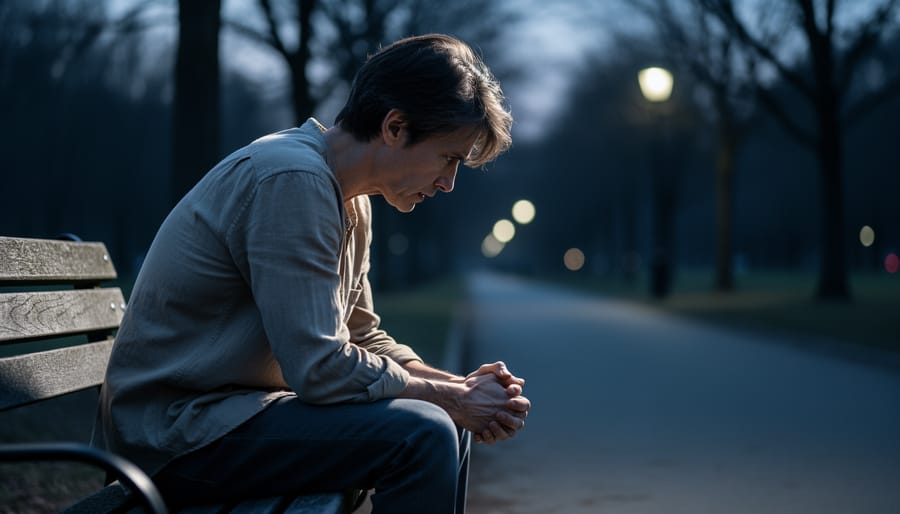
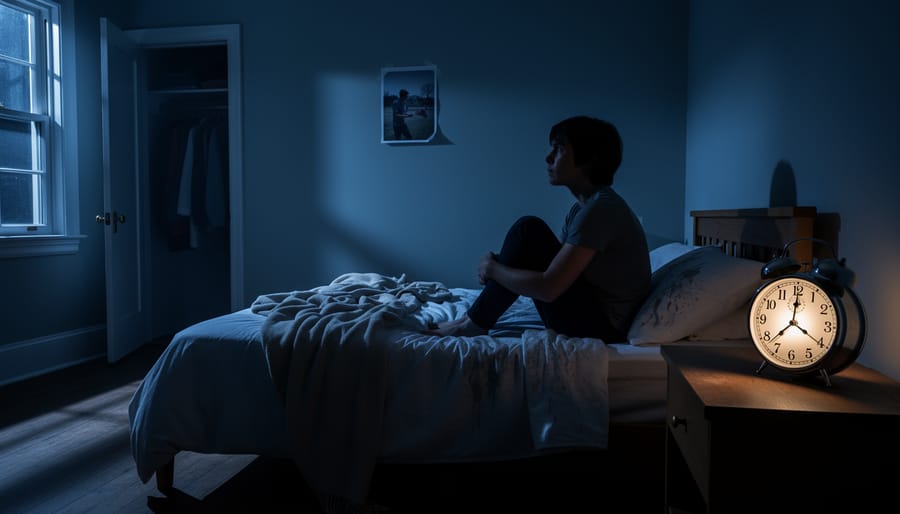
You’re lying in bed at 3 a.m., heart racing from another nightmare about the accident. You can’t explain why a slamming door sent you into a panic at the grocery store yesterday, or why you’ve been snapping at your partner over things that never bothered you before. You might be wondering if what you’re experiencing is post-traumatic stress disorder, or you might be trying to understand why someone you love has changed so dramatically after their trauma.
PTSD doesn’t always look like what we see in movies. It’s not just flashbacks and combat veterans, though that’s part of the picture. According to 2026 data from the Canadian Mental Health Association, approximately 8% of Canadians will experience PTSD in their lifetime, but many go years without recognizing their symptoms because they don’t fit the narrow stereotypes we’ve been taught to expect.
The truth is, PTSD can develop after any event where you experienced or witnessed actual or threatened death, serious injury, or sexual violence. A car crash. A medical emergency. Childhood abuse. A violent assault. The pandemic. Each person’s trauma is valid, and each person’s symptoms are unique.
What makes PTSD different from normal stress responses is how these symptoms persist and interfere with your daily life long after the danger has passed. Your brain got stuck in survival mode, and the alarm system that was supposed to protect you during the trauma hasn’t shut off. You’re not broken. You’re not weak. Your nervous system is doing exactly what it was designed to do, but it needs help recalibrating.
Understanding your symptoms is the first step toward getting that help. This guide will walk you through the full spectrum of PTSD symptoms, including the ones that often go unrecognized.

What PTSD Actually Looks Like in Daily Life
PTSD doesn’t show up like it does in the movies. There’s no dramatic soundtrack when someone freezes at the grocery store because a stranger’s cologne triggered a memory. There’s no slow-motion replay when exhaustion hits after a full night’s sleep that somehow brought no rest.
The clinical definition tells you that post-traumatic stress disorder develops after exposure to actual or threatened death, serious injury, or sexual violence. What it doesn’t convey is how trauma fundamentally rewires the brain’s threat-detection system, leaving it stuck in emergency mode long after the danger has passed. Your amygdala, the brain’s alarm center, becomes hyperactive while the prefrontal cortex, responsible for rational thinking, struggles to regain control. This isn’t a choice. It’s neurobiology.
For the 5% of Canadians who’ve received a PTSD diagnosis (according to Statistics Canada PTSD rates), daily life often means managing an invisible burden. One person might experience PTSD through intense irritability that strains relationships. Another might find themselves unable to watch certain TV shows or drive specific routes. Someone else might seem withdrawn, emotionally flat, when they used to be warm and engaged.
The trauma itself matters less than how it overwhelmed someone’s ability to cope at the time. A car accident can cause PTSD. So can childhood neglect, workplace violence, or learning about a loved one’s sudden death. Two people can experience the same event, yet only one develops lasting symptoms, because individual brain chemistry, previous experiences, available support, and dozens of other factors shape trauma’s impact differently for each person.
What links these varied experiences is a nervous system that can’t fully return to baseline. The body stays prepared for threats that aren’t coming, creating a cascade of symptoms that touch every aspect of life.
The Four Core Categories of PTSD Symptoms
Intrusive Memories and Re-experiencing
Intrusive memories don’t arrive on your schedule. They crash in while you’re washing dishes, sitting in traffic, or trying to focus on a work meeting. A flashback isn’t remembering what happened, it’s your nervous system convinced it’s happening again, right now. Your heart pounds, your palms sweat, your body responds as if the threat is present even when you’re objectively safe in your living room.
Nightmares about the trauma can wake you multiple times a week, leaving you exhausted and dreading sleep. But intrusive thoughts show up during waking hours too: sudden, unwanted images or sensations that hijack your attention without warning. You might catch a scent that resembles something from the traumatic event and feel your body lock up, or hear a sound that sends you straight back to that moment.
What makes these symptoms particularly distressing is their involuntary nature. You can’t think your way out of them or simply decide to stop. Your brain has marked the trauma as unresolved danger, so it keeps presenting the material for processing, except the processing system is stuck. These aren’t memories you’re choosing to revisit; they’re experiences your nervous system is forcing you to relive.
Avoidance: When Life Gets Smaller
Avoidance shrinks your world without you always noticing it’s happening. You stop taking certain routes to work, skip social gatherings where questions might come up, or change the subject when conversations drift too close to what happened. Maybe you’ve stopped watching the news, avoided entire neighbourhoods, or cut ties with people who remind you of the trauma, not because you dislike them, but because seeing them triggers something you can’t control.
This isn’t weakness or antisocial behaviour. Avoidance is your nervous system trying to protect you from re-experiencing pain. The problem is that what starts as self-preservation often expands: first you avoid the specific place where something happened, then similar places, then anything that might lead to similar places. Activities you once enjoyed become off-limits. Relationships fade because explaining why you can’t do certain things feels impossible.
Clinical guidelines recognize avoidance as a core PTSD symptom precisely because it’s involuntary and progressive. You’re not choosing to limit your life, your brain has learned that certain triggers equal danger, and it’s responding accordingly. Recognizing this pattern as a symptom rather than a personal failing is the first step toward reclaiming the space trauma has taken.

Negative Changes in Thinking and Mood
Trauma doesn’t just change what you remember, it rewrites the lens through which you see yourself, other people, and your future. This symptom cluster often sneaks up quietly, manifesting as a persistent sense that the world is fundamentally unsafe or that you’re somehow broken beyond repair. You might find yourself thinking “I can’t trust anyone” or “Nothing good ever lasts,” even when there’s no immediate evidence supporting these beliefs.
Emotional numbness is another hallmark that catches people off guard. It’s not sadness, it’s more like existing behind glass, watching life happen without feeling connected to it. You might struggle to feel joy at celebrations, can’t muster enthusiasm for hobbies you once loved, or feel oddly detached during moments that should matter. Some describe it as being hollowed out.
This detachment extends to relationships. You might withdraw from friends and family, not because you don’t care, but because connecting feels exhausting or pointless. Intimacy becomes difficult. You may feel fundamentally different from others, like there’s an invisible barrier no one else can see. These changes aren’t character flaws, they’re your mind’s attempt to protect you from further hurt, a response that made sense during trauma but now keeps you isolated when you need support most.
Heightened Reactivity and Arousal
Your body becomes a 24/7 security system that won’t power down. That’s heightened arousal in PTSD, your nervous system stuck in threat-detection mode long after danger has passed. You might find yourself scanning every room you enter, noting exits and positioning yourself with your back to the wall. The slightest unexpected noise, a door closing, a car backfiring, can send your heart racing and your muscles tensing before your conscious mind even registers what happened.
Sleep becomes another battleground. You lie awake, alert to every sound in the house, or wake repeatedly through the night. When exhaustion finally hits, the quality of rest remains poor because your brain never fully switches off its surveillance mode.
Irritability and angry outbursts often surprise both you and the people around you. Small frustrations that others brush off can trigger disproportionate reactions. You might snap at loved ones, feel constantly on edge, or struggle with a short fuse you didn’t have before the trauma. Sometimes this intense reactivity can escalate into symptoms that feel like panic attack help is urgently needed.
Concentration suffers too. Your attention splinters between the task at hand and monitoring your environment for potential threats, making it hard to focus on work, conversations, or activities that once came easily. This isn’t laziness or lack of effort, it’s your survival system working overtime when it no longer needs to.
The Symptoms That Often Go Unrecognized
Beyond the more widely recognized symptoms of flashbacks and nightmares, PTSD often manifests in ways that people don’t immediately connect to trauma. These hidden symptoms can persist for years, affecting daily life while remaining undiagnosed because they mimic other conditions or seem unrelated to past experiences.
Physical symptoms frequently fly under the radar. Chronic pain, particularly in the back, neck, or joints, can stem from the body’s prolonged stress response rather than any structural injury. Digestive problems, including irritable bowel syndrome, nausea, and stomach pain, are common among trauma survivors. Persistent headaches, muscle tension, and unexplained fatigue also belong to this category. Because these symptoms have physical manifestations, people often seek treatment from specialists who address the pain itself without recognizing its traumatic origins.
Dissociation represents another commonly missed symptom. This can range from feeling detached from your body or emotions to experiencing gaps in memory or feeling like you’re watching yourself from outside. Some describe it as going through life on autopilot or feeling disconnected from reality. These episodes serve as a protective mechanism, but they’re frequently misunderstood or dismissed rather than recognized as trauma responses.
Relationship difficulties often develop gradually enough that they seem like personality traits rather than symptoms. Trust becomes difficult to establish or maintain. You might find yourself pushing people away when they get close, struggling with intimacy, or maintaining only superficial connections. Some trauma survivors become overly dependent on others for reassurance, while others isolate themselves completely. These patterns reshape how you relate to everyone in your life.
Changes in self-identity can be particularly subtle. You might notice persistent negative beliefs about yourself, others, or the world that weren’t there before the trauma. Some people lose interest in activities that once defined them or feel like they’ve become a different person entirely. This shift in identity often happens so gradually that it’s hard to pinpoint when it started.
The overlap with other conditions creates additional confusion. PTSD symptoms can closely resemble generalized anxiety signs or major depression. When someone experiences persistent worry, low mood, and withdrawal, professionals unfamiliar with their trauma history might diagnose anxiety and depression without recognizing the underlying cause. This matters because treating PTSD requires trauma-focused approaches that differ from standard anxiety or depression treatment.
Recognizing these overlooked symptoms helps explain why the gap exists between the 5% of Canadians diagnosed with PTSD and the 8% who meet the clinical criteria. Many people live with these manifestations without connecting them to past trauma, attributing them instead to stress, personality, or physical illness.
How PTSD Symptoms Differ Across Age Groups
PTSD doesn’t follow a one-size-fits-all pattern. The way trauma shows up in a six-year-old differs dramatically from how it manifests in a teenager or adult, and recognizing these age-specific differences can be the key to getting appropriate help.
Children, particularly those under seven, often can’t verbalize their trauma experiences the way adults do. Instead, they act them out. You might see repetitive play that recreates the traumatic event, nightmares without clear content, or sudden clinginess with caregivers. Young children may regress in skills they’d already mastered, bedwetting after being potty-trained, or baby talk when they’d been speaking normally. They might complain of stomachaches or headaches without medical cause, or become unusually quiet and withdrawn. Because their brains are still developing the capacity for abstract thought, they process trauma through behavior rather than words.
Teenagers and young people face their own distinct pattern. They’re more likely to show what looks like anger, recklessness, or defiance. A teen with PTSD might engage in risky behaviors, dangerous driving, substance use, or self-harm, as ways to manage overwhelming feelings they can’t name. They may struggle intensely with shame or guilt, questioning their own actions during the traumatic event in ways that younger children don’t. School performance often drops, not just from concentration problems but from avoiding reminders that might be embedded in their daily routine. Social withdrawal can look like typical teenage moodiness to parents who don’t realize trauma is the root cause.
| Age Group | Common Presentations | What It Looks Like |
|---|---|---|
| Children (under 7) | Behavioral re-enactment, regression | Repetitive trauma play, bedwetting, clinginess, separation anxiety |
| Teens (13-17) | Externalizing behaviors, risk-taking | Anger outbursts, reckless choices, school avoidance, social isolation |
| Adults (18+) | Internalized symptoms, cognitive changes | Emotional numbing, relationship difficulties, persistent negative beliefs |
Adults typically show the more “classic” PTSD symptoms, flashbacks, hypervigilance, emotional numbing, but even within this group, there’s variation. Older adults who experienced trauma decades ago might only develop symptoms later in life when retirement or loss triggers memories they’d successfully compartmentalized for years.
Current clinical guidelines recognize these developmental differences matter for treatment. Guidelines covering PTSD in children, young people, and adults emphasize tailoring interventions to developmental stage, because what works for a 25-year-old won’t work for a 5-year-old. If you’re concerned about someone’s symptoms, knowing how PTSD shows up at their specific age helps you understand what you’re seeing and communicate more effectively with healthcare providers.
When Symptoms Mean It’s Time to Seek Help
Recognizing when you need professional support isn’t always straightforward. Many people wonder if what they’re experiencing is “bad enough” to warrant help, or if they should just push through and give it more time.
Here’s the clearest marker: if symptoms persist beyond one month and interfere with your ability to function in daily life, it’s time to reach out. The NICE PTSD duration threshold establishes this timeline because normal stress responses typically begin to ease within weeks after a traumatic event. When they don’t, when they instead solidify into patterns that narrow your world, professional assessment becomes crucial.
Consider how symptoms affect your work, relationships, or basic self-care. Are you calling in sick more often? Withdrawing from people who matter to you? Struggling to sleep night after night? Finding it hard to concentrate on tasks you used to handle easily? These aren’t signs of weakness. They’re indicators that trauma has shifted something fundamental in how your nervous system operates.
The numbers tell an important story here. In Canada, 5% of adults report receiving a formal PTSD diagnosis from a health professional. Yet 8% meet the criteria for probable PTSD based on their symptoms. That gap matters. It means roughly three in every eight people living with PTSD symptoms haven’t been formally assessed or connected to treatment. Diagnosed versus probable PTSD statistics from Statistics Canada’s Survey on Mental Health and Stressful Events show just how common unrecognized PTSD really is.
If you’re supporting someone else through their symptoms, remember that self-care for caregivers isn’t optional. You can’t pour from an empty cup.
Professional assessment doesn’t commit you to anything beyond understanding what you’re dealing with. A trained clinician can distinguish between acute stress responses, adjustment difficulties, and PTSD. They can explain your specific symptom pattern and discuss treatment options that match where you are right now. Getting that clarity is often the turning point that makes everything else possible.
Understanding PTSD in the Canadian Context
Understanding PTSD in Canada means looking at real numbers that reveal both progress and persistent challenges. According to Statistics Canada’s Survey on Mental Health and Stressful Events conducted in late 2021, 5% of Canadian adults reported receiving a formal PTSD diagnosis from a health professional. Yet the same data showed that 8% of adults met the criteria for probable PTSD based on symptoms they experienced in the past month. That three-percentage-point gap represents thousands of Canadians living with unrecognized trauma symptoms, often because what they’re experiencing doesn’t match the stereotypical PTSD narrative or because their symptoms overlap with conditions like depression, anxiety, or severe mental illness.
Each year on June 27, National PTSD Awareness Day provides an opportunity to spotlight these realities and reduce the stigma around trauma-related symptoms. The day encourages Canadians to learn about PTSD beyond combat-related trauma, recognizing that the condition affects diverse populations who’ve experienced everything from childhood abuse to medical trauma to witnessing violence.
Treatment access in Canada has improved alongside updated clinical understanding. The 2025 American Psychological Association guidelines for treating PTSD in adults reflect current evidence-based approaches that Canadian practitioners increasingly adopt, emphasizing trauma-focused psychotherapies and, when appropriate, medication options. These guidelines recognize what works and help standardize quality care across provinces and territories. Combined with resources through provincial health systems, community mental health centres, and organizations specializing in trauma support, Canadians have more pathways to evidence-based treatment than ever before. The challenge remains ensuring people recognize their symptoms as treatable PTSD rather than something they must simply endure.

What Happens After Recognition: The Path Forward
Recognizing symptoms is powerful, but it’s only the beginning. PTSD is highly treatable, and current evidence shows that people can and do recover with the right support.
The 2025 APA PTSD treatment guidance identifies several interventions with strong evidence for effectiveness. Trauma-focused psychotherapy remains the first-line treatment, with approaches like Cognitive Processing Therapy (CPT) and Prolonged Exposure (PE) showing consistent results in reducing symptoms. These therapies work by helping you process traumatic memories in a safe, controlled environment and challenging unhelpful thought patterns that developed after trauma.
Eye Movement Desensitization and Reprocessing (EMDR) is another well-supported option. It uses bilateral stimulation while you recall traumatic events, helping your brain reprocess these memories so they become less distressing. Many people find EMDR particularly helpful when talking through trauma feels too overwhelming.
Medication plays a supporting role for some people. Selective serotonin reuptake inhibitors (SSRIs) can reduce symptom intensity and make it easier to engage in therapy. Your doctor might recommend medication alongside therapy, especially if you’re experiencing severe depression or anxiety symptoms that make daily functioning difficult.
What matters most is finding a therapist trained specifically in trauma treatment. Not all mental health professionals have this specialized training, so it’s worth asking about their experience with PTSD and which evidence-based approaches they use.
Treatment isn’t linear. You’ll likely have good weeks and challenging ones, and that’s completely normal. Progress might look like fewer nightmares, feeling safer in situations you’ve been avoiding, or reconnecting with people you’d withdrawn from. Small shifts matter.
Recovery doesn’t mean erasing what happened or never thinking about it again. It means the memories lose their power to control your present. You learn to live with what happened without it defining every aspect of your life. That’s not just possible, it happens for people every day.
Understanding PTSD symptoms is more than an academic exercise. It’s about recognizing when your experiences have a name, when what you’re going through isn’t weakness or failure, but a treatable condition. If the symptoms described in this article resonate with you, that recognition itself is powerful. You’re not imagining it, you’re not overreacting, and you’re certainly not alone.
The statistics tell an important story. While 5% of Canadians have received a formal PTSD diagnosis, 8% meet the criteria based on their symptoms. That gap represents thousands of people living with unrecognized PTSD, often because their symptoms don’t match the stereotypical presentations or because they’ve normalized their experiences as “just the way things are now.” Closing that gap starts with awareness.
Recognizing symptoms isn’t the end of the journey. It’s the beginning. Modern treatment approaches, including those outlined in the 2025 clinical guidelines, offer genuine hope for recovery. Trauma doesn’t have to define the rest of your life. The hypervigilance can decrease, the intrusive memories can lose their grip, and the avoidance patterns can shift.
If what you’ve read here feels familiar, consider reaching out to a mental health professional who specializes in trauma. That conversation doesn’t commit you to anything except getting accurate information about what you’re experiencing. It’s not about being broken. It’s about getting support for something real, treatable, and common. You deserve that support.