
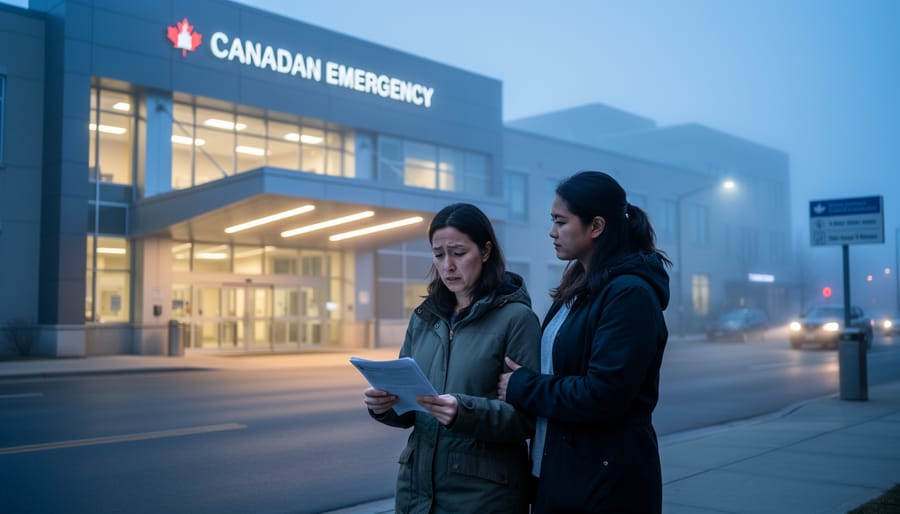
Canada’s Mental Health Act legislation gives physicians and psychiatrists the legal authority to admit and treat individuals involuntarily when they pose a significant risk to themselves or others due to mental illness. Each province and territory operates under its own mental health act, but all share common criteria: the person must have a mental disorder, require treatment in a psychiatric facility, and present a danger that cannot be managed through voluntary care.
If you or someone you care about is facing potential involuntary admission, understanding these laws becomes urgent. The process typically begins with a physician’s assessment, often in a hospital emergency department, followed by formal certification that authorizes psychiatric hold and treatment without consent. These certificates are time-limited, usually ranging from 24 hours to several weeks depending on the province, and patients have the right to legal representation and review board hearings to challenge their detention.
British Columbia’s expanded involuntary treatment provisions, now in effect as of 2026, have intensified public attention on these laws. The changes allow for involuntary treatment in community settings under specific circumstances, reflecting a broader shift in how Canada balances individual autonomy with public safety and the duty to provide care.
Knowing your rights matters deeply when mental health crises intersect with the law. Whether you’re trying to support a family member through involuntary admission or need to understand your own legal protections, the provincial mental health acts provide both safeguards and pathways to necessary care during the most difficult moments.
Understanding the Mental Health Act: Provincial Powers, Not Federal Law

If you’re trying to understand the Mental Health Act in Canada, there’s a crucial fact you need to know first: there isn’t one. Canada doesn’t have a single federal Mental Health Act covering the entire country. Instead, each province has its own mental health legislation, and the rules can differ significantly depending on where you live.
This provincial jurisdiction matters more than you might think. If you’re researching options for yourself or a family member, the legal framework you’ll navigate in British Columbia looks different from what you’d encounter in Ontario, Manitoba, or Nova Scotia. The criteria for involuntary admission, the length of detention periods, the appeal processes, and even how substance use issues intersect with mental health treatment all vary by location.
That said, these provincial acts share a common purpose. They all establish legal frameworks for involuntary psychiatric admission and treatment when someone poses a danger to themselves or others, or when their mental state has deteriorated to the point they can’t care for themselves. They govern who can authorize admission, under what circumstances, and for how long. They also outline patient rights, including access to legal representation, the ability to challenge detention, and the role of review boards in examining whether ongoing hospitalization is justified.
The acts also include safeguards designed to protect individual freedoms while addressing genuine safety concerns. These typically include mandatory physician assessments, time limits on detention without review, and formal hearing processes. British Columbia’s Mental Health Act, for instance, has specific provisions for individuals requiring involuntary treatment, their families, and service providers, and these were recently expanded in 2026 to address substance use disorders more directly.
Understanding your province’s specific legislation gives you the knowledge to navigate what can feel like an overwhelming system during an already difficult time.
When Can Someone Be Involuntarily Admitted? The Criteria Explained
Involuntary psychiatric admission is one of the most serious interventions in mental health care, and the criteria for it are deliberately high. Across Canada, provincial mental health acts generally allow involuntary admission only when three conditions are met: the person has a mental disorder, they pose a serious risk, and voluntary treatment isn’t feasible.
The first threshold is danger, either to themselves or others. This doesn’t mean vague worry or potential future harm. Physicians must assess imminent risk: active suicidal intent with a plan, credible threats of violence, or behaviour that directly endangers safety. A person expressing hopelessness isn’t enough on its own. There must be clear evidence that without intervention, serious harm is likely to occur soon.
The second criterion involves severe deterioration. If someone’s mental health is declining so rapidly that they’re unable to meet basic needs, eating, finding shelter, maintaining safety, involuntary admission may be warranted. This addresses situations where a person isn’t immediately suicidal or violent but is deteriorating to a dangerous point and lacks insight into their condition.
Capacity to consent matters significantly. If someone understands their situation and the proposed treatment but refuses it, that refusal is generally respected unless the danger criterion is also met. The law recognizes that disagreeing with medical advice isn’t the same as lacking capacity.
Two physicians typically must examine the person and agree that criteria are met, though emergency situations may allow a single physician to authorize admission initially. These aren’t casual decisions. Doctors must document specific observations, not impressions or assumptions, and they balance the person’s autonomy against immediate safety needs.
British Columbia’s Mental Health Act exemplifies these principles while addressing substance use: physicians can now use the Act when treating adults with substance use disorders if the standard criteria apply. Manitoba takes a different approach for intoxication-related risks, allowing detention for up to 72 hours if someone poses a danger due to acute intoxication.
The system isn’t perfect, and the line between necessary intervention and overreach can feel thin. But the legal framework intentionally sets a high bar, requiring clear evidence of serious, immediate risk before restricting someone’s freedom.
Recent Changes: BC’s Expanded Mental Health Act in 2026

British Columbia recently expanded its Mental Health Act to allow longer involuntary hospitalization and compulsory treatment specifically for people with substance use issues. This represents a significant shift in how the province approaches addiction-related crises, extending powers that were previously reserved mainly for severe mental illness.
The practical impact is substantial. Someone brought to hospital during an overdose or severe intoxication can now be detained beyond the immediate crisis period if healthcare providers determine they meet the criteria for ongoing involuntary treatment. Previously, once the acute danger passed, hospitals had limited authority to keep someone who wanted to leave. The expanded act extends that timeline and broadens the scope of compulsory care.
This change affects individuals who might repeatedly cycle through emergency departments, those whose substance use has reached life-threatening levels, and families desperate to keep loved ones safe. For many families, these expanded powers feel like a lifeline when they’ve watched someone deteriorate and found no other way to intervene. The hope is that longer detention periods provide time for stabilization, connection to treatment resources, and a chance at recovery.
However, the expansion has sparked serious concerns among patient advocates, healthcare workers, and civil liberties organizations. Critics argue that coerced treatment is less effective than voluntary care and that detaining people with addiction doesn’t address the underlying reasons they use substances in the first place. There’s worry about whether facilities have adequate resources, appropriate therapeutic programming, and trauma-informed approaches to support detained individuals rather than simply confining them.
The legislation also raises questions about who gets detained and under what circumstances. Without clear safeguards and adequate community treatment options after release, some fear the expanded act could become a revolving door rather than a pathway to lasting recovery. For anyone navigating this system, whether personally or supporting a family member, understanding these changes and knowing where to find step-by-step help becomes crucial.
The complexity lies in balancing safety with autonomy. BC’s approach reflects one answer to that question, but it remains contentious and evolving as outcomes become clearer.
Your Rights Under the Mental Health Act

Being admitted to hospital involuntarily doesn’t strip away your fundamental rights. Canada’s provincial mental health acts include specific protections designed to safeguard your dignity and autonomy, even during a crisis. Understanding these rights can reduce fear and help you or a loved one navigate the process with greater confidence.
The Right to Know Why You’re Being Detained
You must be informed, in language you can understand, of the reasons for your involuntary admission. Healthcare providers should explain the legal grounds, whether it’s imminent danger, severe deterioration, or another criterion under your province’s act. This isn’t just a courtesy; it’s a legal requirement. If the explanation isn’t clear, you can ask questions or request that information be provided in writing.
Access to Legal Representation
You have the right to contact a lawyer at any point during involuntary admission. Many provinces provide access to legal aid or duty counsel who specialize in mental health law, often at no cost. A lawyer can explain your options, help you understand the detention certificate, and represent you if you choose to appeal. Hospitals should facilitate these calls, and you can’t be prevented from seeking legal advice.
The Right to Appeal Through Review Boards
Every province has a review board or tribunal that examines involuntary admissions and treatment orders. You can request a hearing to challenge your detention, and these boards operate independently from the hospital. We’ll explore how review boards work in detail in the next section, but know that appealing is your right, not a privilege granted at the hospital’s discretion.
Staying Connected with Family and Support
Unless there are specific safety concerns, you retain the right to communicate with family members, friends, and your existing healthcare providers. You can make phone calls, receive visitors during designated hours, and maintain connections that support your wellbeing. Privacy laws mean hospitals may limit what information they share with your family without your consent, but you control who you want involved in your care discussions.
Informed Consent for Treatment
Involuntary admission doesn’t automatically mean involuntary treatment. In most provinces, separate criteria and procedures govern whether treatment can be administered without consent. You have the right to receive information about proposed medications or therapies, their risks and benefits, and alternatives. Some treatments require additional review or court authorization, particularly if you continue to refuse.
These protections exist because the law recognizes that mental health crises are temporary and that preserving your rights supports recovery. You’re still a person with agency, even when your freedom is temporarily restricted for safety reasons.
Mental Health Review Boards: How Appeals Work

If you or someone you care about has been involuntarily admitted under a provincial Mental Health Act, you aren’t powerless. Every province provides a formal appeal mechanism through independent review boards that can examine whether the detention and treatment are justified.
These boards operate separately from the hospital or health authority that ordered the admission. In British Columbia, for example, the Mental Health Review Board holds hearings to decide whether someone should remain under involuntary care. Similar tribunals exist across Canada, though their names and specific procedures vary by province.
Who can request a review? Typically, the person detained can apply, or their lawyer can file on their behalf. In many provinces, family members or friends can also trigger a review, particularly if the patient is unable to do so themselves.
Timelines matter. Most provinces require an automatic review within a set period, often seven to 30 days after admission. After that initial hearing, patients can usually request additional reviews at specified intervals, commonly every three months. The board must schedule hearings relatively quickly, though exact timeframes differ by jurisdiction.
What happens during a hearing? You’ll appear before a panel that usually includes a lawyer, a psychiatrist, and sometimes a community member. The hospital presents medical evidence justifying continued detention. You or your representative can challenge this evidence, call witnesses, and present your perspective. It’s less formal than court, but legal representation helps significantly.
Possible outcomes include immediate discharge, continued involuntary status with conditions, or transfer to a different level of care. The board’s decision is legally binding, though you can sometimes appeal to a higher court if you believe the process was flawed.
These boards exist to protect your rights while ensuring safety, they’re your clearest path to challenging an involuntary admission you believe is unjust.
What Families Need to Know
When someone you love is detained under a Mental Health Act, you may feel overwhelmed, confused, and desperate for information. Unfortunately, healthcare providers often cannot share clinical details with you, even if you are the closest family member. This frustrating reality stems from privacy laws that protect patient confidentiality, your loved one’s consent is typically required before staff can discuss their care. However, hospitals can usually confirm whether someone is present at their facility and accept information from you about the person’s history, medications, or triggers.
You can still play a vital role. Provide relevant background to the treatment team in writing, bring comfort items if permitted during visits, and maintain a calm, supportive presence. In some provinces, family members can initiate the assessment process by contacting crisis teams or bringing their loved one to an emergency department when they believe the person meets involuntary admission criteria. You cannot force admission, but you can request medical evaluation.
Understanding adult guardianship legislation in your province may also be relevant if your loved one lacks capacity to make treatment decisions. Meanwhile, remember to take care of yourself during this crisis. Set boundaries about what support you can realistically provide, seek your own counseling if needed, and lean on your own support network.
Many families find it helpful to document observations and interactions, keep copies of relevant paperwork, and learn about the Mental Health Review Board process in case your loved one wishes to appeal. Your advocacy matters, even when the system feels impenetrable.
Substance Use and Mental Health Legislation: An Evolving Area
The relationship between substance use disorders and mental health legislation has become one of the most contentious areas of Canadian mental health law. Historically, many provincial mental health acts focused primarily on mental illness, treating substance use as a separate issue. That’s changing as provinces grapple with overlapping crises of addiction and mental health deterioration.
British Columbia’s recent legislative expansion illustrates this shift. The province now provides specific guidance for physicians treating both adults and youth with substance use disorders under the Mental Health Act. This means doctors can, under certain circumstances, use involuntary admission provisions when someone’s substance use creates the same risks that would justify detention for mental illness, imminent danger to themselves or others, or severe inability to care for themselves. The change acknowledges what clinicians have long observed: severe addiction often co-occurs with mental health conditions, and the line between them isn’t always clear-cut.
Other provinces take different approaches. Manitoba’s legislation allows authorities to detain people for up to 72 hours if they’re considered dangerous or disruptive due to intoxication, a provision focused on immediate safety rather than treatment. Some jurisdictions maintain stricter separation between addiction services and involuntary psychiatric care.
These varying frameworks reflect genuine uncertainty about what works. Advocates worry that using mental health acts for substance use issues conflates voluntary addiction treatment with psychiatric detention, potentially deterring people from seeking help. Being able to spot substance abuse in a loved one doesn’t automatically mean involuntary treatment is appropriate or effective.
The tension centres on a fundamental question: when does compassion require intervention against someone’s will, and when does it require respecting their autonomy even when choices seem destructive? Provincial legislation continues evolving as communities search for answers that balance safety, rights, and evidence.
Understanding mental health legislation across Canada can feel overwhelming, especially when you or a loved one needs help navigating the system. Yet these laws exist for an important reason: to protect vulnerable people during crises while safeguarding their fundamental rights. The framework isn’t perfect, and the balance between safety and autonomy will always involve difficult judgments, but knowing how the system works gives you power during frightening moments.
Take time to familiarize yourself with your specific province’s Mental Health Act, since the rules governing involuntary admission, treatment, and appeals vary significantly depending on where you live. If you or someone you care about faces potential involuntary treatment, reach out to mental health professionals, legal advocates, and patient rights organizations who can explain your options clearly and support you through the process.
Remember that being admitted under a Mental Health Act doesn’t mean losing your voice or your rights. Review boards exist to hear your concerns, legal representation is available, and paths to appeal remain open throughout treatment. You’re entitled to ask questions, seek second opinions, and involve people you trust. The system can seem impersonal and overwhelming, but you don’t have to navigate it alone. Information, support, and advocacy are available when you need them most.