

Chronic anxiety symptoms are persistent feelings of worry, fear, or dread that last for six months or longer and interfere with daily life, often accompanied by physical signs like muscle tension, restlessness, and sleep disruption. Unlike the occasional nerves everyone experiences before a big event or stressful day, chronic anxiety doesn’t fade when the stressor passes. It lingers, casting a shadow over routine activities and making ordinary tasks feel overwhelming.
If you’ve spent months wondering whether your constant worry is normal or something more, you’re not alone. Many Canadians live with persistent anxiety without realizing it meets clinical thresholds, while others dismiss serious symptoms as mere stress. The line between everyday worry and a diagnosable condition can feel blurry, especially when anxiety has become your baseline.
This article breaks down what chronic anxiety actually looks like, helping you distinguish between temporary stress responses and patterns that warrant professional attention. You’ll find clear definitions, a detailed breakdown of psychological and physical symptoms, and practical guidance on when your experience crosses into territory that benefits from treatment. Understanding the six-month persistence requirement and severity markers used by mental health professionals can help you make informed decisions about your wellbeing.
Whether you’re trying to decode your own patterns or support someone close to you, recognizing chronic anxiety symptoms is the first step toward effective management. Anxiety is highly treatable, and early intervention improves outcomes significantly. The goal here isn’t to self-diagnose but to give you the information needed to assess whether reaching out for help makes sense for your situation.
What Chronic Anxiety Symptoms Mean

Chronic anxiety symptoms represent worry that has crossed from an occasional visitor into a constant companion. When you experience generalized anxiety disorder, you’re dealing with persistent, excessive, and unrealistic worry about everyday things, concerns that feel impossible to control even when you recognize they’re out of proportion to reality.
The key difference lies in how the worry behaves. Normal worry comes and goes with specific situations and resolves once you address the problem or it passes. Chronic anxiety symptoms, by contrast, persist regardless of circumstances. The worry is multifaceted, touching financial concerns, family relationships, health fears, and what the future might hold, often jumping from one domain to another without resolution.
- Persistent Worry
- Anxiety that continues day after day, resisting reassurance or problem-solving, and lasting for last six months or more rather than fading with time or circumstance.
- Excessive Anxiety
- Fear and worry that is both intense and excessive, disproportionate to the actual likelihood or impact of the feared outcome, and considered unreasonable by clinical standards.
- Significant Distress
- Emotional suffering that goes beyond discomfort, creating ongoing psychological pain that affects your sense of wellbeing and quality of life.
- Impairment in Functioning
- Difficulty carrying out daily responsibilities at work, maintaining relationships, or taking care of yourself because the anxiety interferes with your ability to focus, make decisions, or follow through.
For a diagnosis of generalized anxiety disorder, excessive worry is the central feature. But symptoms don’t exist in isolation, they’re typically accompanied by physical tension that makes your body feel as wound up as your mind. What sets chronic anxiety apart diagnostically is duration and impact. The symptoms must be considered excessive and unreasonable by clinical standards, and they must cause significant distress or impairment in your daily functioning. You might find yourself avoiding activities, missing work, withdrawing from relationships, or struggling with basic self-care because the anxiety feels overwhelming.
Canadian clinical practice guidelines, developed through a consensus process drawing on decades of research, establish clear thresholds to distinguish temporary stress responses from anxiety disorders requiring professional support. These guidelines help clinicians assess whether what you’re experiencing represents a diagnosable condition rather than a normal reaction to life’s challenges.
How Chronic Anxiety Works in Your Body and Mind

Chronic anxiety operates through a self-reinforcing loop that involves your brain, nervous system, and body working in constant overdrive. When you experience persistent worry, your brain interprets everyday situations as threats, even when they’re not actually dangerous. This triggers your body’s stress response repeatedly, flooding your system with hormones like cortisol and adrenaline throughout the day.
The worry at the heart of chronic anxiety is intense and excessive, meaning it’s disproportionate to the actual situation. Your mind fixates on potential problems across multiple areas, finances, family, health, what might go wrong tomorrow, and struggles to let go of these concerns even when you try to dismiss them as unrealistic. This mental hypervigilance keeps your brain’s threat-detection system switched on, making it difficult to relax or feel safe.
Physically, this constant activation shows up as tension you might feel in your shoulders, jaw, or stomach. Your muscles stay partially contracted, ready for danger that never arrives. You might notice your heart racing during routine tasks, or experience the exhaustion that comes from your body never fully powering down. Sleep becomes difficult because your mind won’t quiet, and digestive issues can emerge as your gut responds to ongoing stress signals.
The cycle perpetuates itself: worry triggers physical tension, which your brain then interprets as confirmation that something is wrong, which generates more worry. Over time, this pattern becomes your baseline. Your nervous system recalibrates to treat anxiety as normal, making it harder to recognize when you’re in a heightened state. The fear and worry become excessive not just in intensity but in persistence, lasting months rather than resolving once a specific stressor passes.
Understanding this mechanism helps explain why chronic anxiety isn’t something you can simply “think your way out of”, it’s a physiological pattern that requires targeted intervention to interrupt.
Types of Chronic Anxiety Symptoms
Psychological and Emotional Symptoms
Excessive worry sits at the heart of chronic anxiety, persistent, intrusive thoughts that feel impossible to switch off. Unlike brief concerns that fade once you’ve addressed a problem, this worry clings to you throughout the day, circling through your mind even when you logically know there’s no immediate threat. It feels both intense and unreasonable, attaching itself to ordinary situations, an upcoming meeting, a family member’s health, finances, what might go wrong tomorrow, and amplifying them far beyond what the circumstances warrant.
This constant mental churning brings a constellation of emotional symptoms. You might feel on edge or restless, as if your nervous system never fully settles. Concentration becomes difficult because anxious thoughts keep interrupting; you read the same sentence three times or lose track mid-conversation. Irritability creeps in, small frustrations that you’d normally brush off suddenly feel unbearable because you’re already operating at your emotional limit. Many people describe feeling overwhelmed, as though they’re carrying too much and can’t find solid ground.
What makes these symptoms cross into disorder territory is that they’re excessive and unreasonable. Your worry doesn’t match the actual risk, and it interferes with how you function day to day. You recognize that your anxiety is disproportionate, yet you can’t simply dismiss it through willpower or logic. When this pattern persists for six months or more and significantly disrupts your work, relationships, or self-care, it signals that professional support may help you regain control.
Physical Symptoms
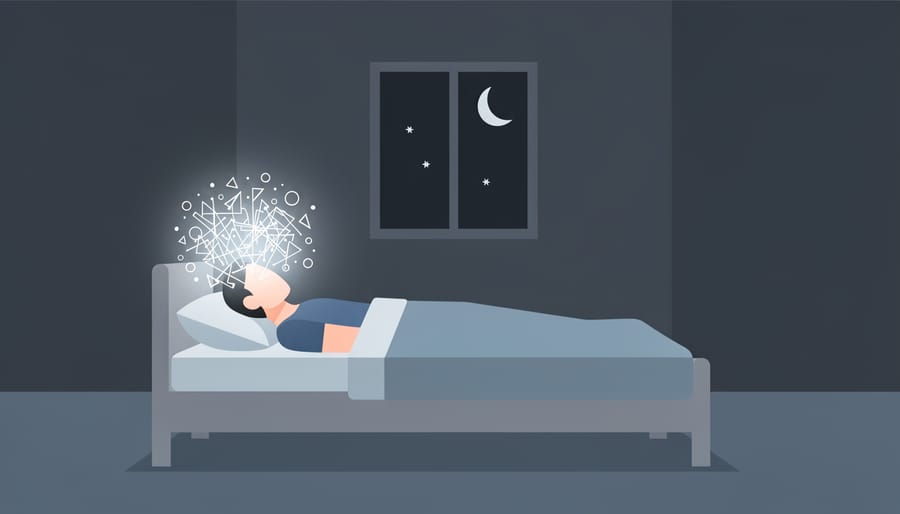
Chronic anxiety doesn’t just live in your mind. When worry becomes persistent and excessive, it triggers a cascade of physical responses throughout your body. These somatic symptoms often feel as real and distressing as the psychological ones, sometimes even more so.
Muscle tension is one of the most common physical manifestations. You might notice your shoulders constantly tight, your jaw clenched, or a general feeling of being wound up that never quite releases. This chronic tension can lead to persistent headaches, particularly tension-type headaches that feel like a band tightening around your skull.
Sleep disturbances create another layer of difficulty. Falling asleep becomes challenging when your mind races through worries, and staying asleep proves equally hard as anxiety jolts you awake throughout the night. This disrupted sleep feeds into daytime fatigue, leaving you exhausted yet unable to rest properly.
Your cardiovascular system responds too. A rapid or pounding heartbeat can occur even without obvious triggers, sometimes accompanied by chest tightness or shortness of breath. Digestive issues are equally common: nausea, stomach pain, changes in appetite, or irritable bowel symptoms that flare during periods of heightened worry.
Some people experience trembling, sweating, or dizziness. Others notice changes in their breathing patterns or feel a constant sense of physical restlessness. These symptoms create a feedback loop: physical discomfort increases worry, which intensifies physical tension, perpetuating the cycle of anxiety.
Areas of Worry
People with chronic anxiety rarely worry about just one thing. The concern that defines generalized anxiety disorder is multifaceted, spreading across several core areas of daily life. You might worry persistently about money, whether you have enough now or will in the future. Family relationships can become another source of constant rumination, are your children safe, is your partner upset, will a conflict escalate? Health anxieties are common too: every headache feels like something serious, and you find yourself constantly scanning for symptoms. Then there are worries about the future, about work performance, about things going wrong even when there’s no evidence they will.
What makes these worries excessive is their intensity and their refusal to ease even when reassured. The worry about financial, family, and health concerns becomes unrealistic, out of proportion to actual risk. For some, this worry can extend to behaviours like gambling, where the added stress of financial consequences compounds existing anxiety, this is when seeking online gambling support becomes crucial. These overlapping domains create a mental load that feels unmanageable, occupying your thoughts most days and making it hard to feel grounded or at ease.
How Chronic Anxiety Symptoms Are Used in Clinical Practice
When healthcare providers assess chronic anxiety, they rely on specific clinical criteria to distinguish between ordinary stress and a diagnosable disorder. The symptoms described in earlier sections, excessive worry, physical tension, difficulty concentrating, become diagnostic markers when they meet certain thresholds of intensity, duration, and impact.
The core diagnostic requirement is that worry must be both excessive and unreasonable in relation to the actual circumstances. A clinician evaluates whether the anxiety is occurring more days than not and causing significant distress or impairing your ability to function at work, in relationships, or in daily self-care. This functional impairment is key: it’s not just about feeling anxious, but about how that anxiety disrupts your life. For some people, the connection between anxiety and basic stability, such as concerns about housing and recovery can become a cycle where worry about one domain feeds into broader patterns of distress.
The six-month persistence threshold ensures that what’s being assessed is truly chronic rather than a normal response to a time-limited stressor. This timeline helps differentiate generalized anxiety disorder from adjustment reactions or situational anxiety that resolves once circumstances change.
Once a diagnosis is established, the symptom profile guides treatment planning. Clinicians track which symptom clusters, psychological, physical, or both, are most prominent, tailoring interventions accordingly. Someone whose anxiety manifests primarily as accompanied by physical tension might benefit from relaxation techniques alongside therapy, while someone struggling mainly with intrusive worry patterns may focus more on cognitive strategies.
In Canada, mental health professionals follow clinical practice guidelines developed through a rigorous consensus process. These guidelines, which drew on systematic reviews of research from 1980 through 2012 and expert input, provide standardized approaches to diagnosing and managing anxiety disorders. They ensure that whether you seek help in Vancouver or Halifax, the assessment process follows evidence-based principles.
Ongoing monitoring is equally important. Clinicians use symptom inventories and functional assessments to track whether treatment is reducing both the intensity of worry and its impact on your life. Progress isn’t just measured by how you feel, but by whether you’re able to re-engage with activities and relationships that anxiety had disrupted.
When Chronic Anxiety Symptoms Require Professional Support

Recognizing when worry has crossed the line into a disorder can be difficult, especially if excessive anxiety has become your baseline. Consider seeking support if your symptoms cause significant distress or interfere with work, relationships, or daily self-care. If you’re avoiding social situations, struggling to meet responsibilities, or feeling overwhelmed more days than not, professional assessment can clarify what’s happening and open pathways to relief.
Impairment in daily functioning is a key signal. This might look like missing deadlines because worry makes concentration impossible, canceling plans repeatedly due to physical symptoms, or lying awake night after night replaying concerns. When anxiety dictates your choices and limits your life, it’s time to get help for anxiety rather than waiting for it to resolve on its own.
In Canada, starting with your family doctor or a walk-in clinic is often the most accessible route. A physician can conduct an initial assessment, rule out medical causes for physical symptoms, and refer you to mental health specialists if needed. Many provinces offer publicly funded mental health services, though wait times vary. Private options, including psychologists and counselors, may be faster but involve out-of-pocket costs or insurance coverage.
Treatment options range from cognitive-behavioral therapy and medication to newer approaches like TMS for anxiety. The right path depends on your symptoms, preferences, and what’s available in your area. If you’re in crisis or experiencing thoughts of self-harm, emergency departments and crisis lines provide immediate support. In rare cases where someone’s safety is at immediate risk, the Mental Health Act allows for involuntary assessment, though most people access care voluntarily.
The threshold for seeking help isn’t perfection, it’s noticing that worry has become a barrier rather than a helpful signal. Professional support offers tools to manage symptoms, interrupt the worry cycle, and reclaim space in your life.
Common Questions About Chronic Anxiety Symptoms
What exactly are anxiety disorders?
Anxiety disorders are mental health conditions characterized by fear and worry that is both intense and excessive, typically accompanied by physical tension. Unlike normal worry that comes and goes, anxiety disorders involve persistent symptoms that interfere with daily life and don’t match the actual level of threat or concern.
How do I know if my worry is excessive and unreasonable?
Worry is considered excessive and unreasonable when it’s disproportionate to the situation, difficult to control, and persists even when there’s no real danger. If your worry is multifaceted, covering finances, family, health, and future concerns simultaneously, and causes significant distress or prevents you from functioning normally at work or in relationships, it likely crosses into excessive territory.
How long do anxiety symptoms need to last before they’re considered chronic?
For a diagnosis of generalized anxiety disorder, symptoms must be persistent, typically lasting six months or more. This duration requirement helps distinguish chronic anxiety from temporary stress responses or short-term worry about specific life events.
How are anxiety disorders diagnosed?
Diagnosis requires a comprehensive assessment by a mental health professional who evaluates whether your symptoms are excessive and unreasonable, and whether they cause significant distress or impairment in your daily functioning. Canadian clinical practice guidelines, developed through a consensus process using evidence-based research, guide professionals in making accurate diagnoses.
What treatments are available for chronic anxiety?
Treatment approaches are individualized based on symptom severity and personal circumstances. Canadian clinical practice guidelines for managing anxiety disorders incorporate evidence from extensive research and recommend various treatment options tailored to each person’s needs, though specific treatment recommendations should come from a qualified healthcare provider who can assess your situation.
These questions reflect what many people wonder when they first recognize that their worry might be more than temporary stress. If you’re asking yourself these questions, you’re already taking an important step toward understanding your symptoms. Remember that seeking clarity about your mental health isn’t overreacting, it’s responsible self-care. A healthcare provider can give you personalized answers based on your specific situation and help you understand whether what you’re experiencing meets the criteria for an anxiety disorder.
The diagnostic process isn’t about labeling you. It’s about getting you the right support. When symptoms are persistent for six months or more and genuinely interfere with your ability to work, maintain relationships, or take care of yourself, professional assessment becomes important. Canadian experts have worked to ensure that the diagnostic criteria are clear and that treatment guidelines reflect the best available evidence, so you can trust that the process is designed to help, not judge.
If you’ve recognized the symptoms described in this article, worry that feels uncontrollable, physical tension that won’t ease, or everyday concerns that dominate your thoughts for months on end, you’re not alone, and what you’re experiencing has a name. Chronic anxiety symptoms are more than just stress. They represent a real, diagnosable condition that affects both your mind and body, but they’re also highly treatable.
Understanding what chronic anxiety looks like is the first step. The excessive, unrealistic worry that persists for six months or more, causes significant distress, and interferes with your daily life isn’t something you need to manage on your own. Professional support exists precisely for these situations, and seeking help is a sign of strength, not weakness.
In Canada, mental health resources and evidence-based treatment options are available through family doctors, psychologists, psychiatrists, and community mental health services. The same clinical practice guidelines that help professionals diagnose anxiety disorders also guide effective treatment approaches, from therapy to medication to lifestyle adjustments tailored to your needs.
You don’t have to wait until your symptoms feel unbearable. If your worry is causing you distress, affecting your work, relationships, sleep, or overall well-being, professional assessment can clarify what’s happening and open the door to relief. Chronic anxiety symptoms are recognizable, they’re understood by the medical community, and they respond to treatment. Reaching out for support is the most practical step you can take toward feeling better.