

“Z team members” isn’t a recognized term in mental health care. If you searched for this phrase, you’ve likely encountered a typo or autocorrect error, and we want to address that honestly rather than invent definitions that don’t exist.
What you’re probably looking for is information about mental health team members or multidisciplinary mental health teams. These are real, evidence-based structures used across Canada to provide comprehensive care.
Mental health teams bring together professionals from different disciplines to address the complex needs of individuals facing mental health challenges or addiction. Instead of seeing a single practitioner in isolation, team-based care means you benefit from multiple perspectives and areas of expertise working together on your behalf.
In Canada, these teams typically include psychiatrists, psychologists, social workers, nurses, occupational therapists, and peer support workers. Each brings specialized knowledge, and together they create a more complete picture of your situation and more effective treatment options.
The makeup of your mental health team depends on your specific needs, where you access care, and what resources are available in your community. Some people work with a small team of two or three professionals, while others receiving intensive support might interact with a larger group.
Understanding who these professionals are, what they do, and how they collaborate can help you make the most of team-based mental health care and advocate for the support you need.
Understanding the Search: What You Might Be Looking For
If you landed here after searching for “z team members,” you’re not alone in feeling a bit puzzled, because this isn’t actually a recognized term in mental health care. It’s likely the result of a typo, autocorrect mishap, or mishearing something during a conversation about mental health services. The good news is that we can help you find what you’re actually looking for.
Most people searching this phrase are probably trying to learn about one of these topics:
- Who makes up a mental health care team and what each person does
- How multidisciplinary or collaborative care teams work in Canadian mental health settings
- Specific professional roles like psychiatrists, therapists, or peer support workers
- The team approach to treating conditions like anxiety and depression
- What to expect when you’re referred to a mental health team
The reality is that Canadian mental health and addiction services rely heavily on teams of different professionals working together, each bringing specialized expertise to support your recovery. Whether you’re navigating your first appointment at a community mental health clinic, starting treatment at a hospital program, or trying to understand the various people involved in a loved one’s care, knowing who does what makes the whole experience less overwhelming.
This article will walk you through how these teams actually function, introduce you to the key professionals you might encounter, and explain what team-based care means for your treatment journey. Understanding the real structure behind mental health teams helps you advocate for yourself and make the most of the support available.
How Mental Health Teams Work in Canada

The Multidisciplinary Approach

A multidisciplinary team brings together professionals from different disciplines to address the complex, interconnected nature of mental health and addiction challenges. Rather than working in silos, psychiatrists, therapists, nurses, social workers, and other specialists coordinate their expertise to create a comprehensive treatment plan tailored to each person’s unique situation.
This approach recognizes that mental health conditions rarely exist in isolation. Depression might be intertwined with chronic pain, social isolation, or financial stress. Substance use disorders often co-occur with anxiety, trauma, or unstable housing. A single professional, no matter how skilled, can’t address every dimension of these layered challenges. The team structure ensures that medical, psychological, social, and practical needs are all considered and addressed simultaneously.
Evidence supports this model’s effectiveness. Collaborative care models that integrate mental health services with primary care have shown improved outcomes for conditions like depression and anxiety compared to traditional approaches. The structure works because different professionals spot different aspects of a problem and contribute distinct solutions that complement each other.
In practice, this means regular team meetings where professionals share observations, adjust treatment strategies, and ensure everyone is working toward the same goals. Your psychiatrist might manage medications while your therapist addresses thought patterns, your social worker connects you with housing support, and your peer support worker offers lived-experience perspective. Each contribution strengthens the others, creating a more robust path to recovery than any single intervention could provide.
Common Settings for Team-Based Care
Canadians encounter team-based mental health care in a variety of settings, each designed to meet different levels of need. Inpatient psychiatric units in general hospitals provide intensive, round-the-clock care for acute mental health crises, with full multidisciplinary teams monitoring treatment daily. Community mental health centres offer outpatient services where teams coordinate ongoing therapy, medication management, and support without requiring hospitalization.
Addiction treatment programs, whether residential or outpatient, typically involve teams of medical professionals, counsellors, and peer support workers who address both the physical and psychological aspects of substance use. Crisis response teams work in communities to provide immediate assessment and intervention during mental health emergencies. For those navigating these options, understanding how to access support across different settings helps you find the right level of care when you need it. The setting determines which professionals you’ll work with most closely, but the collaborative approach remains consistent across all these environments.
Key Professionals on Mental Health Care Teams
Medical Professionals
Medical professionals form the clinical foundation of mental health care teams, providing diagnosis, medical treatment, and ongoing monitoring of physical and mental health conditions.
Psychiatrists are medical doctors specializing in mental health who can diagnose conditions, prescribe medications, and provide various treatments. They often lead treatment planning for complex cases and work closely with other team members to adjust medication regimens based on therapeutic progress.
Family physicians play a crucial role, particularly as the first point of contact when someone decides to get help. They can diagnose common mental health conditions, prescribe medications, provide brief counselling, and make referrals to specialists or community programs.
Registered nurses and registered psychiatric nurses deliver hands-on care in both hospital and community settings. They monitor symptoms, administer medications, provide education about treatment, and often serve as the consistent presence patients interact with most frequently. In many Canadian clinics, nurse practitioners can also diagnose conditions and prescribe medications, expanding access to care.
These medical professionals work together to ensure the physical aspects of mental health and addiction are properly addressed alongside therapeutic interventions.
Therapeutic and Counselling Professionals
Psychologists hold doctoral degrees in psychology and provide psychological assessments, diagnosis, and evidence-based therapies like cognitive-behavioral therapy (CBT) or dialectical behavior therapy (DBT). They can’t prescribe medication in most Canadian provinces, but they specialize in understanding thought patterns, emotions, and behavior through structured therapeutic approaches.
Psychotherapists offer talk therapy and counselling, though their training varies across provinces. Some hold master’s degrees in counselling psychology or social work, while others complete specialized psychotherapy training programs. They help clients work through emotional challenges, relationship issues, and mental health symptoms using various therapeutic approaches tailored to individual needs.
Social workers on mental health teams typically hold BSW or MSW degrees and take a holistic view of wellbeing. They connect clients with community resources, address social determinants of mental health like housing or income support, provide counselling, and help navigate systems like disability benefits or child welfare. They’re particularly valuable for understanding how life circumstances affect mental health.
Counsellors may have diplomas or degrees in counselling and often specialize in specific areas like addiction, grief, or family therapy. In some Canadian provinces, the term “counsellor” is less regulated than “psychotherapist,” but qualified counsellors provide essential support through structured conversations that help clients develop coping strategies and work toward recovery goals.
These professionals often collaborate closely, referring clients between specialties and coordinating care plans to address different aspects of mental health and daily functioning.
Specialized Support Roles
Beyond medical and therapeutic professionals, specialized support roles address the practical challenges of daily life during recovery. These team members help bridge the gap between clinical treatment and real-world functioning.
Occupational therapists assess how mental health or addiction affects your ability to work, manage self-care, and participate in meaningful activities. They develop strategies to rebuild these skills, which might include time management techniques, workplace accommodations, or routines that support stability.
Recreational therapists use structured activities, from art and music to sports and community outings, as therapeutic tools. These programs help rebuild social connections, develop coping skills, and rediscover interests that may have been lost during periods of illness.
Peer support workers bring lived experience of mental health or addiction challenges to their role. Having navigated recovery themselves, they offer unique perspective, hope, and practical guidance that complements professional expertise. Many Canadians find peer support particularly validating because these workers truly understand the journey.
Case managers coordinate your care across different services and help navigate practical barriers like housing, income support, or transportation. They ensure nothing falls through the cracks when multiple providers are involved, acting as a central point of contact for your treatment plan.
What to Expect from Team-Based Mental Health Care
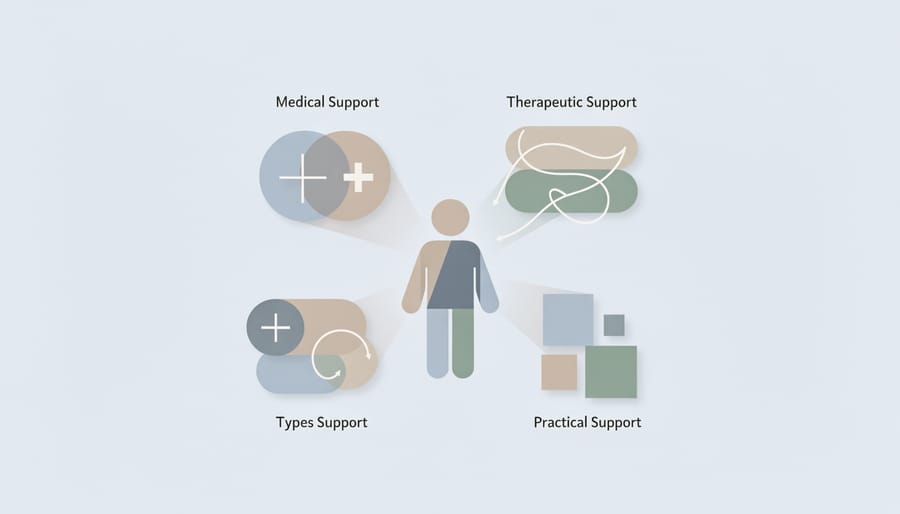
When you enter team-based mental health care in Canada, your first appointment typically includes an assessment where you’ll meet one or more team members who’ll gather information about your needs, history, and goals. This initial assessment helps the team develop a treatment plan tailored to your situation, which might include therapy sessions, medication management, skills training, or community support.
Your treatment plan becomes a living document that the team reviews and adjusts regularly. Different professionals contribute their expertise to your care, but they communicate with each other to ensure everyone works toward the same goals. You might see your therapist weekly, meet with a psychiatrist monthly for medication reviews, and check in with a case manager who helps coordinate services. While this might feel like juggling multiple appointments at first, the coordination means you’re not repeating your story to every provider or receiving conflicting advice.
Communication between your care providers happens through shared electronic records, team meetings, and direct consultations. You have the right to understand what information is being shared and to participate in decisions about your treatment. If you’re working with services that include community treatment orders or other formal arrangements, the team will explain these clearly and ensure you understand your rights.
Questions worth asking include who coordinates your care, how to reach someone between appointments if concerns arise, what happens if a team member leaves, and how often your plan will be reviewed. The team should welcome these questions because informed, engaged patients tend to have better outcomes.
While “z team members” isn’t recognized terminology in mental health care, understanding how real care teams work gives you a significant advantage. When you know who’s on your team and what each person brings to the table, you can ask better questions, understand your treatment plan more clearly, and take a more active role in your recovery.
Canadian mental health and addiction services are built on collaboration. Whether you’re working with a psychiatrist and nurse, or you’re part of a larger program with counsellors, therapists, and peer support workers, each person contributes specialized knowledge to support your wellbeing. Don’t hesitate to ask about your care team, who they are, what their roles involve, and how they’re coordinating your treatment. This isn’t just your right; it’s an important part of effective care.
If you’ve been searching for information about your mental health team and ended up here, you’re already doing something valuable: trying to understand the system and how it can help you. That curiosity and self-advocacy will serve you well as you navigate your path to recovery.