
In Arabic, the word for anxiety is “قلق” (transliterated as “qalaq”), capturing the universal feelings of unease, worry, and apprehension that affect millions of people worldwide. For Arabic-speaking communities in Canada and beyond, understanding this term isn’t just about translation. It’s about bridging the gap between mental health awareness and the cultural and linguistic contexts that shape how we experience and talk about emotional wellbeing.
Anxiety doesn’t discriminate by language, but accessing support in your mother tongue can make all the difference in recovery. When you can describe what you’re feeling in Arabic, whether it’s “استراتيجيات منزلية عامة لمعالجة القلق” (general home strategies for managing anxiety) or simply asking “ما هو اضطراب القلق؟” (what is anxiety disorder?), you’re better equipped to seek help and understand your experience.
Arabic-speaking Canadians face unique challenges navigating mental health systems. Many grew up in cultures where mental health discussions carried stigma, where emotional struggles were kept private, or where Western psychological frameworks didn’t quite capture their lived experiences. Finding resources in Arabic, whether they’re fact sheets, audio recordings, or culturally adapted strategies, can reduce barriers to care and help people recognize that seeking support is a sign of strength, not weakness.
This article explores the linguistic and cultural dimensions of anxiety in Arabic-speaking communities, providing expert-backed information about available resources and practical guidance for anyone seeking mental health support in their native language.
What Does Anxiety Mean in Arabic?

The Arabic word for anxiety is قلق, pronounced “qalaq.” This term captures feelings of unease, worry, and apprehension, much like its English counterpart. Understanding this word matters because it represents the bridge between mental health awareness and cultural identity for millions of Arabic speakers worldwide.
In everyday Arabic conversation, people use قلق to describe various states of worry. Someone might say they feel قلق about an upcoming exam, a family member’s health, or financial pressures. The word carries emotional weight, conveying both the mental and sometimes physical sensations of anxious feelings.
Clinical contexts add another layer. Mental health professionals working with Arabic-speaking patients use قلق when discussing anxiety disorders. Resources like fact sheets titled “ما هو اضطراب القلق؟” (What is anxiety disorder?) and materials on “استراتيجيات منزلية عامة لمعالجة القلق” (general home strategies for addressing anxiety) demonstrate how the term functions in formal mental health settings. These clinical applications maintain the word’s core meaning while framing it within diagnostic and treatment frameworks.
The versatility of قلق reflects how Arabic speakers navigate between cultural and medical understandings of mental health. Whether someone describes everyday nervousness or seeks help for an anxiety disorder, this single word provides common ground. For Arabic speakers in Canada and elsewhere, knowing that their emotional experiences have clear linguistic expression in their native language can reduce isolation and encourage help-seeking.
Why Language Matters in Mental Health Care

When you’re struggling with anxiety, the words you use to describe your experience matter more than you might think. Speaking about mental health in your native language isn’t just a preference, it’s often essential for accurate understanding and effective treatment.
For Arabic speakers, being able to express feelings of قلق in their mother tongue creates a foundation for genuine healing. Mental health concerns involve nuanced emotions and complex internal states that can be difficult to translate. When you describe your anxiety in Arabic, you access a deeper, more authentic vocabulary for your experience. The subtleties of worry, apprehension, and unease carry different weights in different languages, and your brain processes emotional experiences most fully in the language you learned first.
Research consistently shows that patients who receive mental health care in their native language report better treatment outcomes. They’re more likely to attend appointments, follow through with recommendations, and develop trust with their providers. This happens because language barriers don’t just make communication harder, they can fundamentally change what you’re able to express about your internal world.
Accessing anxiety resources in Arabic also helps reduce the stigma that many Arabic-speaking communities face around mental health. When educational materials, fact sheets, and support tools are available in Arabic, they signal that mental health care recognizes and respects your cultural identity. This validation makes it easier to reach out for help without feeling like you’re abandoning your cultural values or adopting foreign concepts that don’t fit your lived experience.
For Arabic speakers in Canada and elsewhere, the ability to say “I’m experiencing قلق” to a provider who understands both the word and its cultural context can be the difference between feeling heard and feeling isolated in your struggle.
Arabic Mental Health Resources Available in 2026
Fact Sheets and Educational Materials
Arabic speakers concerned about anxiety can access several targeted fact sheets that explain key concepts in clear, culturally appropriate language. The resource “ما هو اضطراب القلق؟” (What is Anxiety Disorder?) breaks down the clinical definition of anxiety disorders, helping readers distinguish between everyday worry and symptoms that may require professional support. This material translates complex psychological concepts into accessible Arabic, making mental health information understandable for those who might struggle with English-language resources.
Stigma remains a significant barrier in many Arabic-speaking communities, which is why dedicated materials address this directly. The fact sheet “Let’s Talk Mental Health. Stigma and Anxiety” in Arabic (العربية) tackles how mental health stigma affects help-seeking behavior and provides strategies for challenging misconceptions. These educational materials recognize that mental health literacy involves not just understanding symptoms, but also addressing cultural attitudes that may prevent people from seeking care.
Organizations like the NSW Transcultural Mental Health Centre and Embrace Mental Health maintain these Arabic resources, ensuring accurate terminology and cultural relevance for Arabic-speaking audiences seeking reliable information about anxiety.
Audio Resources and Recordings
Audio recordings offer an accessible alternative for Arabic speakers who may face literacy barriers or prefer auditory learning. Arabic reduce anxiety recordings are available through mental health organizations in Canada, providing guided content designed to help listeners understand and manage their anxiety symptoms. These audio materials typically cover the same core information as written fact sheets but deliver it in a format that doesn’t require reading skills.
The recordings can be particularly valuable for elderly Arabic speakers, those with limited formal education, or individuals who simply process information better through listening. They often include explanations of what anxiety feels like, common symptoms, and practical coping strategies, all delivered in clear, conversational Arabic. This format also allows family members to listen together, making it easier to start conversations about mental health in households where discussing قلق might otherwise feel uncomfortable or unfamiliar.
Home-Based Anxiety Management Strategies
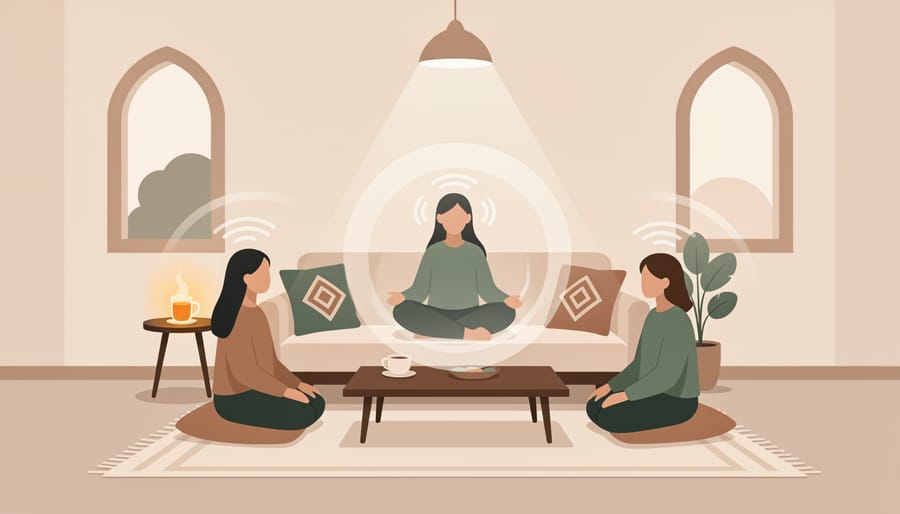
Arabic-speaking communities can access practical, culturally relevant guidance through materials specifically developed for managing anxiety at home. Resources titled استراتيجيات منزلية عامة لمعالجة القلق (general home strategies for addressing anxiety) offer techniques that acknowledge both clinical approaches and cultural considerations familiar to Arabic speakers.
These strategies typically cover foundational practices like breathing exercises, establishing daily routines that create stability, and recognizing early signs of anxiety escalation. What makes Arabic-language materials particularly valuable is their ability to explain concepts using culturally resonant examples, describing anxiety management in ways that connect with family structures, religious practices, and communication patterns common in Arabic-speaking households.
The advantage of home-based strategies is their accessibility. You don’t need a formal diagnosis or appointment to begin applying these techniques. They’re designed as first steps anyone can take while considering whether to pursue additional support, or as complementary practices alongside professional treatment.
Cultural Considerations for Arabic Speakers with Anxiety
Cultural background shapes how Arabic speakers recognize, understand, and respond to anxiety. In many Arabic-speaking communities, mental health concerns are often viewed through the lens of family honor and collective well-being rather than individual struggle. This perspective can make it difficult for someone experiencing قلق to seek help, as mental health challenges may be perceived as bringing shame to the family or suggesting personal weakness.
Family dynamics play a central role in how anxiety is addressed. Extended families often expect members to keep difficulties private, handling them within the household rather than involving outside professionals. While this tight-knit support can be protective, it may also delay professional treatment. Arabic speakers might first turn to religious leaders, elders, or traditional healers before considering clinical mental health services, viewing spiritual guidance as the primary remedy for emotional distress.
The way anxiety manifests can also differ across cultures. Arabic speakers may emphasize physical symptoms like headaches, fatigue, or chest tightness rather than emotional complaints, partly because physical ailments carry less stigma. The cultural expression of قلق might focus on external stressors (work pressures, family responsibilities) rather than internal psychological states, which can make standard Western diagnostic approaches feel disconnected from lived experience.
Culturally responsive care recognizes these patterns without making assumptions about any individual. Effective mental health support for Arabic speakers acknowledges the importance of family involvement when appropriate, respects religious and cultural values as strengths rather than barriers, and understands that recovery looks different across communities. Providers who appreciate how culture influences the language of distress can create space for Arabic speakers to describe their anxiety in ways that feel authentic, bridging clinical frameworks with cultural identity rather than forcing a choice between them.
Finding Arabic-Speaking Mental Health Support in Canada
Finding Arabic-speaking mental health support in Canada doesn’t have to feel overwhelming, even if you’re navigating an unfamiliar system. Start by asking potential providers directly whether they offer services in Arabic or can provide interpreter support. Many clinics and community health centers now recognize that effective therapy happens when you can express yourself in your mother tongue, where nuances of emotion and cultural context come through naturally.
Look for transcultural mental health services in major Canadian cities. These specialized programs understand that anxiety manifests differently across cultures and that what feels like worry (قلق) to you might carry meanings that don’t translate neatly into clinical English. Organizations like the Canadian Mental Health Association and multicultural health centers often maintain directories of Arabic-speaking counselors or offer referrals to culturally competent therapists who work with interpreters trained in mental health terminology.
When you contact a provider, ask specific questions: Do they have experience working with Arabic-speaking clients? Are they familiar with family-centered approaches common in Arab cultures? Can they accommodate your scheduling needs around prayer times or family obligations? These aren’t extra requests, they’re essential elements of care that respects who you are.
Your family doctor can also get mental health help started through referrals to psychiatrists or counselors, including those within settlement agencies that serve immigrant communities. Many provinces offer telephone crisis lines with multilingual support, providing immediate access when anxiety feels unmanageable.
Don’t hesitate to reach out to community organizations serving Arabic speakers. They often know which local providers truly understand the intersection of culture and mental health, not just the language itself.
Common Questions About Anxiety in Arabic
How do you say “anxiety” in Arabic?
The Arabic word for anxiety is قلق, transliterated as “qalaq”. This term encompasses feelings of unease, worry, and apprehension, and it’s used in both everyday conversation and clinical mental health contexts. When discussing anxiety disorders specifically, you might see the phrase “ما هو اضطراب القلق؟” (What is an anxiety disorder?), which appears in Arabic mental health materials available through multicultural health organizations.
How can I explain anxiety to Arabic-speaking family members who don’t believe in mental health conditions?
Start by using the familiar term قلق and connecting it to physical experiences they recognize, like heart racing or sleep problems. Many Arabic-language fact sheets specifically address stigma and mental health literacy, which can help bridge the gap between traditional views and clinical understanding.
Are there Arabic mental health resources that don’t require reading?
Yes, several organizations offer Arabic-language audio recordings designed to reduce anxiety, making them accessible for those with literacy barriers or who prefer listening to reading.
What’s the difference between قلق and more serious conditions like panic attacks?
قلق refers to general anxiety, while panic attacks (نوبات الهلع) are sudden, intense episodes that require specific panic attack treatment approaches. When anxiety and depression occur together, the Arabic resources can help you understand both conditions in familiar terms.
Where can I find strategies for managing anxiety at home in Arabic?
Look for materials titled “استراتيجيات منزلية عامة لمعالجة القلق” (general home strategies for addressing anxiety) through multicultural mental health resource centres.
Understanding these common questions helps you navigate the intersection of language, culture, and mental health care. Arabic speakers often find that having terminology and resources in their native language makes it easier to recognize their experiences as valid medical conditions rather than personal failings. This shift in perspective can be the first step toward seeking appropriate support and reducing the isolation that often accompanies anxiety in immigrant and diaspora communities.
Understanding anxiety begins with being able to name it in the language that speaks to your heart. For Arabic speakers, knowing that what you’re feeling is قلق (qalaq) can be the first step toward recognition, acceptance, and healing. When mental health resources reflect your cultural identity and linguistic background, they become not just accessible but genuinely meaningful.
You don’t have to choose between honoring your cultural values and seeking effective mental health care. The Arabic-language materials available in 2026, from fact sheets explaining اضطراب القلق to recordings designed to reduce anxiety, demonstrate that culturally sensitive support exists and continues to grow. These resources acknowledge that mental health challenges transcend language barriers, yet the path to wellness often requires the comfort and clarity of your native tongue.
If you’re experiencing anxiety, reaching out for help in Arabic is a sign of strength, not weakness. Whether you connect with Arabic-speaking providers, access translated materials, or share resources with family members who speak primarily Arabic, you’re breaking down barriers that have kept too many people from the support they deserve. Your cultural identity and mental wellness can, and should, exist together.