

Free anxiety tests give you a way to measure how often symptoms like worry, tension, or restlessness have affected you recently, usually through a brief questionnaire that takes five minutes or less. These screening tools won’t diagnose anxiety disorders, but they can help you decide whether talking to a healthcare provider makes sense for your situation.
Mental Health America offers a scientifically validated anxiety test that asks seven questions about symptoms you’ve experienced over the past two weeks. You’ll rate each symptom using four response options: Not at all, Several days, More than half the days, or Nearly every day. The test also includes a follow-up question about how these symptoms have impacted your ability to work, manage home responsibilities, or maintain relationships. All fields are required to complete the screening, and your responses remain confidential.
The value of these tools lies in what they help you recognize about patterns you might have normalized or dismissed. Many Canadians experience anxiety symptoms but struggle to assess whether what they’re feeling warrants professional support. A free screening creates a structured moment to evaluate your experience against research-based criteria.
These tests have clear limitations. They measure symptom frequency, not severity or context. They can’t account for recent life changes, chronic stress, or underlying health conditions that mimic anxiety. What they can do is provide a starting point, a way to name what you’re experiencing and open a conversation with yourself or a healthcare provider about next steps.
Taking a free anxiety test is a practical first move when you’re uncertain about your mental health but not yet ready to book an appointment. The screening won’t replace professional assessment, but it can clarify whether seeking that assessment should be your priority.
What Free Anxiety Screening Tools Actually Measure

Free anxiety screening tools serve a specific purpose: they help you recognize patterns in your anxiety symptoms and gauge their severity over a recent timeframe, typically the past two weeks. These questionnaires ask about the frequency of experiences like excessive worry, restlessness, difficulty concentrating, and physical symptoms such as muscle tension or sleep problems. Rather than diagnosing an anxiety disorder, they measure how often these symptoms have affected you and, crucially, how much they interfere with your daily life, your work performance, home responsibilities, and relationships.
The distinction between screening and diagnosis matters. A screening tool flags potential concerns and provides a snapshot of symptom severity at a particular moment. It cannot tell you which specific anxiety disorder you might have, identify underlying causes, or account for the full complexity of your mental health history. That’s work for a trained professional who can conduct a comprehensive assessment, consider co-occurring conditions, and understand your unique context.
What these tools do well is track observable, measurable aspects of anxiety. When you answer questions about how many days you felt nervous, how often worry felt uncontrollable, or whether anxiety made routine tasks harder, you’re building a picture of symptom intensity and persistence. The scoring reflects severity levels, mild, moderate, or severe, based on standardized criteria used in clinical settings. This approach, validated through research, helps mental health organizations like Mental Health America create accessible self-assessment options that genuinely inform your next steps rather than simply labeling your experience.
How to Take a Free Anxiety Test: The Mental Health America Example
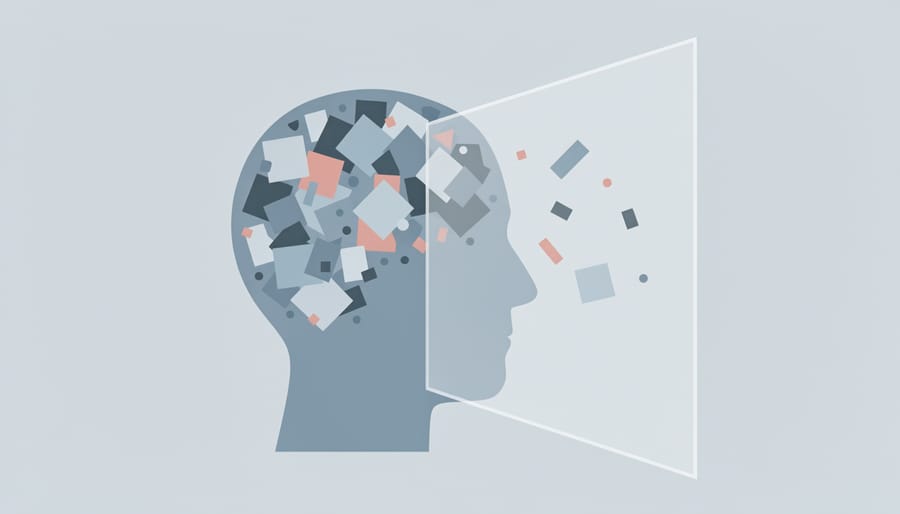
The Mental Health America anxiety test gives you a clear, structured way to assess your symptoms in about five minutes. The screening is free, confidential, and uses the same evidence-based questions that clinicians rely on for initial evaluations.
Here’s how to complete the screening:
- Navigate to the Mental Health America website and locate their anxiety screening tool. The test is available without creating an account or providing personal information.
- Read the opening instructions, which explain that you’ll answer questions about the past two weeks. This timeframe helps capture patterns rather than isolated moments of stress.
- Respond to each of the seven questions about how often specific anxiety symptoms have bothered you. Your options are: Not at all, Several days, More than half the days, and Nearly every day.
- Answer honestly about symptoms like feeling nervous, being unable to stop worrying, worrying too much about different things, and trouble relaxing. The questions also cover physical manifestations such as becoming easily annoyed, feeling afraid, and being restless.
- Complete the follow-up question about functional impact. This asks how difficult your symptoms have made it to do your work, take care of things at home, or get along with other people.
- Submit your responses. All fields are required for the screening to generate results, ensuring the assessment captures a complete picture of your symptom pattern.
The response format is straightforward but deliberate. “Several days” captures occasional symptoms that many people experience during stressful periods. “More than half the days” signals more persistent patterns that may warrant attention. “Nearly every day” indicates frequent symptoms that are likely affecting your quality of life.
The functional impact question is particularly important because anxiety’s effect on your daily responsibilities often matters more than symptom frequency alone. Someone experiencing anxiety several days a week might function well, while another person with the same frequency could find work and relationships significantly disrupted. The screening accounts for both symptom patterns and real-world consequences.
Understanding Your Results and Next Steps
After you complete the Mental Health America screening, you’ll receive feedback based on your responses across the 7 questions. The test evaluates both the frequency of your symptoms over the past two weeks and how they’ve affected your daily functioning.
Your results typically fall into one of several severity categories. If most of your answers were “Not at all” or “Several days,” the screening suggests minimal anxiety symptoms that may not significantly interfere with your life. When responses cluster around “More than half the days,” you’re experiencing moderate symptoms that deserve attention. Answering “Nearly every day” to multiple questions indicates more persistent anxiety that warrants professional evaluation.
The follow-up question about how difficult symptoms have made it to do work, take care of things at home, or get along with other people is actually the most revealing part of the screening. You might experience anxiety frequently but still function well, or you could have fewer symptoms that significantly disrupt your relationships and responsibilities. This functional impairment question helps distinguish between manageable stress and anxiety that requires support.
Because all fields are required for the screening to generate accurate results, you can’t skip questions. This ensures the assessment captures a complete picture of your experience rather than partial data that might be misleading.
Your results remain confidential through the Mental Health America platform. You’re not required to share them with anyone, though bringing them to a healthcare provider can help focus the conversation about your mental health.
If your screening suggests moderate to severe symptoms, or if the functional impairment question reveals significant life disruption, consider reaching out to a healthcare professional. They can conduct a comprehensive evaluation and discuss whether your symptoms align with conditions like GAD diagnosis criteria, which requires more detailed assessment than a screening tool provides.
From Screening to Stress Management: Building Your Support Plan

Your screening results give you a starting point, not a final answer. They tell you which symptoms showed up most often and how much they’re affecting your daily routine. That information helps you choose techniques that actually address what you’re dealing with.
If your results highlighted frequent worry, you’ll want strategies that interrupt rumination. Cognitive techniques work well here, noticing when your thoughts spiral and testing whether your predictions hold up. When physical symptoms like muscle tension or rapid heartbeat scored high, breathing exercises and progressive muscle relaxation target those directly. The functional impairment question matters too. If work or relationships are suffering, you need tools you can use in real situations, not just when you’re alone at home.
Start with one or two techniques rather than overhauling everything at once. Box breathing (inhale four counts, hold four, exhale four, hold four) takes thirty seconds and works during meetings or commutes. Mindfulness doesn’t require an app or special space, five minutes of noticing physical sensations without judging them builds the skill. If your screening suggested chronic anxiety patterns, tracking your symptoms weekly shows whether your coping strategies are helping or if you need to adjust.
Retake the screening every few weeks. If scores stay high despite consistent effort, that’s useful data. It tells you self-management alone isn’t enough right now. For immediate anxiety attack help grounding techniques like the 5-4-3-2-1 method (name five things you see, four you can touch, three you hear, two you smell, one you taste) interrupt the panic cycle.
Canadian resources include Wellness Together Canada, which offers free counseling and self-guided courses, and provincial crisis lines that connect you to local mental health services. Your family doctor can refer you to a therapist or psychiatrist if screening results and your own experience suggest you need professional support. The screening isn’t the end of the process, it’s the map that shows you where to start.
Common Questions About Free Anxiety Tests
Are free anxiety tests accurate enough to trust? They’re scientifically validated screening tools, not diagnostic instruments. The Mental Health America test, for example, uses established clinical frameworks to identify symptom patterns, but accuracy depends on honest self-reporting and understanding that screening reveals trends rather than providing definitive answers.
You can use these tests to monitor your progress over time, particularly if you’re working on stress management techniques or exploring panic attack options. Taking the same test monthly lets you track whether symptoms are improving, staying stable, or worsening. Keep your previous results as a personal record to spot meaningful changes.
How often should I take a free anxiety test?
Monthly check-ins work well for most people managing ongoing anxiety, while weekly screening might help during periods of high stress or when trying new coping strategies. There’s no harm in testing more frequently if it helps you stay aware of your mental health patterns.
What’s the difference between anxiety and stress screening?
Anxiety screening focuses on persistent worry, physical symptoms like restlessness, and functional impairment over weeks, while stress screening typically measures your response to specific pressures or life changes. Anxiety often persists even without clear external triggers.
Do I need to share my results with anyone?
No, your screening results are completely private unless you choose to share them. Many people find it helpful to discuss results with a healthcare provider, counselor, or trusted person, but confidentiality is built into these tools.
The all-fields-required design of tools like the MHA test ensures you get meaningful results rather than incomplete data. This feature prevents skipped questions from skewing your severity score, though it means you need to answer honestly about how symptoms have affected your work, home life, and relationships over the past two weeks.
Taking a free anxiety test is more than ticking boxes on a screen. It’s a moment of honest self-reflection, a chance to name what you’ve been feeling and see it measured against recognized patterns. These tools don’t replace professional assessment, but they offer something equally valuable: a starting point for understanding your mental health and a baseline you can return to as you build your coping strategies.
Think of screening as part of your regular mental health maintenance, not a crisis response. Just as you might check in on physical symptoms when something feels off, revisiting a quick anxiety assessment every few months helps you notice patterns, track whether stress management techniques are working, and catch early warning signs before they escalate. The Mental Health America test takes minutes but creates space for awareness that can shape your next steps.
If your results suggest moderate or severe symptoms, or if anxiety is interfering with work, home life, or relationships, reaching out to a mental health professional isn’t admitting defeat. It’s extending the same care to yourself that you’d offer someone you love. Canadian resources, from provincial crisis lines to community mental health centres, are there specifically for this purpose.
You’ve already taken the hardest step by acknowledging that something needs attention. Trust that awareness. It’s the foundation everything else builds on.