
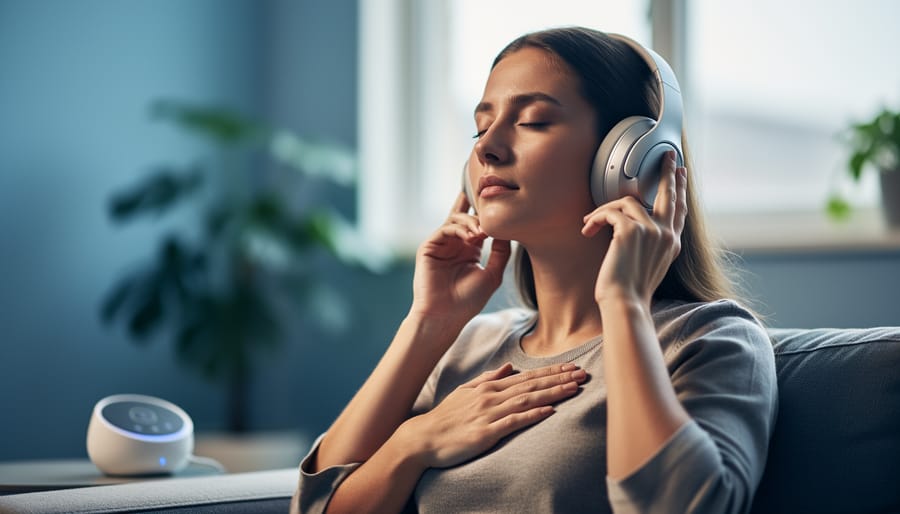
Music to calm anxiety works because it directly influences your nervous system, lowering stress hormones like cortisol while activating the brain’s relaxation response. You can start experiencing relief within minutes by choosing slow-tempo, instrumental tracks or nature sounds and listening intentionally for 15-20 minutes when anxiety symptoms appear.
The science behind this approach has grown considerably stronger in recent years. Research from UH Connor Whole Health examined over 1,000 adults receiving inpatient care between 2017 and 2020, adding to a growing body of evidence that music therapy delivers measurable results for anxiety and sleep challenges. When you listen to calming music, your body reduces production of stress hormones, your heart rate slows, and tension begins to ease. These aren’t just subjective feelings. They’re physiological changes happening in real time.
What makes this strategy particularly valuable is its accessibility. Unlike many anxiety management tools that require appointments, prescriptions, or specialized training, music works on your schedule. You control the volume, the timing, and the selection. Recent advances in digital music therapy now use AI algorithms to generate personalized playlists, making it even easier to find what resonates with your specific anxiety patterns.
This guide will walk you through the evidence-backed mechanisms that make music effective, help you identify which types work best for different anxiety scenarios, and show you practical ways to build music into your daily routine. Whether you’re looking for immediate relief during a spike in symptoms or a long-term strategy to reduce baseline anxiety, you’ll find clear, actionable guidance rooted in both clinical research and real-world application.
The Science Behind Music and Anxiety Relief
What Happens in Your Body When You Listen
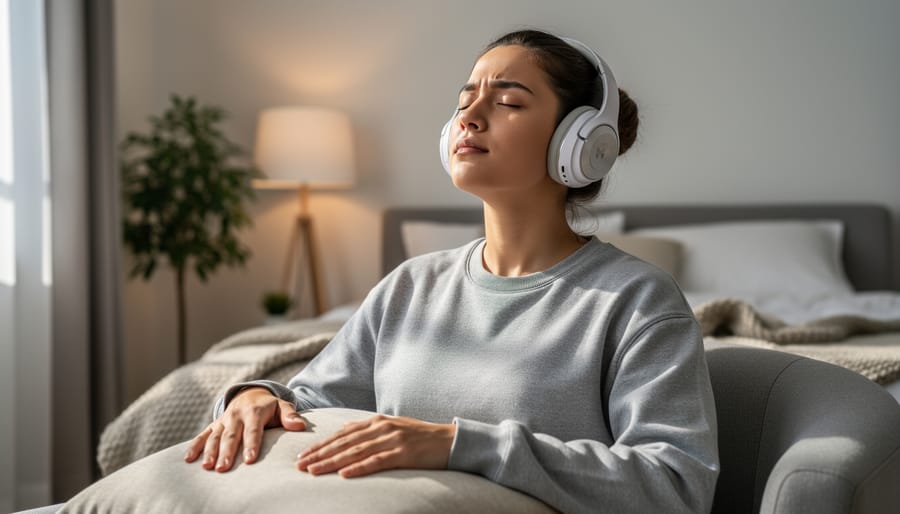
When you press play on a calming piece of music, your body starts shifting gears before you’re even consciously aware of it. Within minutes, measurable changes begin occurring throughout your system.
Your stress hormone levels start to drop. Cortisol, the primary stress hormone that keeps your body in high-alert mode, decreases as soothing music plays. This isn’t just subjective relaxation, it’s a chemical response happening in your bloodstream. Research from UH Connor Whole Health examining over 1,000 adults receiving medical care found that music interventions produced meaningful reductions in stress markers, supporting what many people experience firsthand.
Your heart rate follows suit. As you listen, the rhythmic patterns in the music influence your cardiovascular system, often encouraging your pulse to slow and steady. Your breathing tends to deepen and become more regular, which further signals to your body that the immediate threat has passed.
The real orchestrator here is your autonomic nervous system, the behind-the-scenes control center managing your body’s automatic responses. This system has two modes: sympathetic (your fight-or-flight response) and parasympathetic (your rest-and-digest state). Anxiety keeps you stuck in sympathetic overdrive. The right music acts like a dimmer switch, gradually turning down that hypervigilant state and allowing your parasympathetic nervous system to take over.
Think of it as giving your body permission to stand down from battle stations. Your muscles start to release tension you didn’t realize you were holding. Your digestion improves. Your mind stops racing quite so frantically. These aren’t placeholders for real treatment, they’re genuine physiological shifts that create the foundation for feeling calmer and more grounded.
Why Some Music Works Better Than Others
Not all music calms anxiety equally. The most effective tracks typically share specific characteristics: a tempo between 60-80 beats per minute (matching a resting heart rate), simple and predictable melodies, minimal lyrics or distracting elements, and smooth harmonic progressions without sudden shifts. Classical pieces, ambient soundscapes, and nature sounds often meet these criteria, though many pop and jazz selections work too if they follow the pattern.
What matters most is how the music makes you feel. Research shows individual preference plays a surprisingly large role in therapeutic response. If classical music irritates you, forcing yourself to listen won’t reduce anxiety. Your brain responds better to familiar, personally meaningful music that you find genuinely soothing, even if it doesn’t fit the “ideal” tempo or structure.
The key is noticing your body’s reaction. Does your breathing slow? Do your shoulders drop? That real-time feedback tells you more than any genre label. Some people need complete silence during anxious moments, and that’s valid too. Experiment with different styles during calm periods to build a personal toolkit for when anxiety strikes.
Traditional Music Therapy vs. Digital Approaches
Traditional music therapy typically involves working one-on-one with a certified music therapist who tailors interventions to your specific needs. These sessions might include listening to selected music, creating music, or discussing your emotional responses in a therapeutic setting. The therapist adjusts the approach based on real-time observation of your reactions and progress. While this personalized attention offers significant benefits, it requires scheduling appointments, traveling to sessions, and working within a therapist’s availability.
Digital music therapy represents a newer frontier in anxiety management. These platforms use AI algorithms to analyze your responses and preferences, then generate personalized playlists designed to reduce anxiety symptoms. Recent research shows that this technology-driven approach can effectively manage anxiety, making therapeutic music more accessible to people who might not otherwise access traditional therapy. The algorithms adapt based on your feedback, creating increasingly tailored experiences over time.
| Approach | Accessibility | Personalization | Best Suited For |
|---|---|---|---|
| Traditional Music Therapy | Requires appointments with certified therapists; availability varies by location | High, therapist observes and adjusts in real-time | Complex anxiety, trauma, need for human connection |
| Digital/AI-Based Therapy | On-demand access via apps or platforms; no travel needed | Moderate to high, algorithms learn preferences over time | Consistent practice, supplementing other treatment, budget constraints |
| Self-Directed Listening | Immediate access through streaming services | Low, requires personal trial and error | Mild anxiety, personal exploration, combining with other tools |
In Canada, coverage for traditional music therapy varies significantly. Some extended health plans include music therapy benefits, while others don’t. Provincial health coverage rarely includes music therapy directly, though it may be available through hospital programs or community mental health services. Digital platforms generally operate on subscription models, making them more financially predictable but requiring ongoing costs.
The effectiveness question matters most. Both approaches show promise for anxiety management, though traditional therapy offers advantages for complex cases or when anxiety stems from trauma. Digital options excel at providing consistent, daily support between other treatment sessions. Many people find that combining approaches works well: using digital tools for daily maintenance while accessing traditional therapy periodically for deeper work or when anxiety intensifies.
How to Choose Music That Actually Helps Your Anxiety
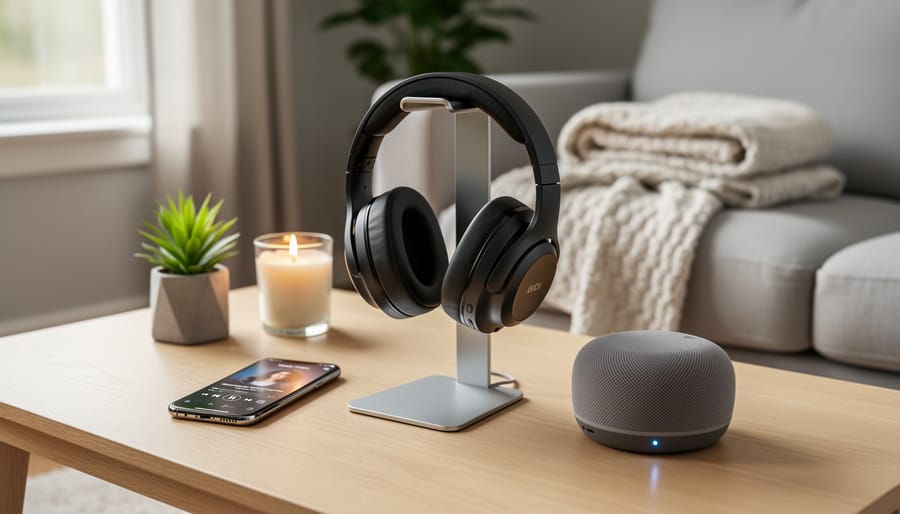
Choosing anxiety-calming music isn’t about following a universal prescription. What soothes one person might agitate another, so your personal response matters more than genre labels.
That said, certain characteristics tend to work. Music with a tempo between 60-80 beats per minute often mirrors a resting heart rate, which can help slow your physiological response. Look for instrumental pieces without jarring shifts in volume or sudden tempo changes. Classical compositions, ambient soundscapes, and nature sounds with gentle musical backing frequently appear in anxiety playlists for good reason: they’re predictable and non-intrusive.
But don’t discount your instinctive preferences. If classical music feels stuffy or boring to you, it won’t help, no matter what the research says. Some people find relief in lo-fi hip-hop, acoustic folk, or even specific types of metal with steady rhythms. The key is observing how your body responds. Does your breathing slow? Do your shoulders drop? Does your mind stop racing, or does it wander into rumination?
Start by experimenting with different genres during low-anxiety moments. Create a handful of playlists, instrumental, nature-based, music from your favourite peaceful memories, then test them when you’re moderately anxious. Notice what actually works for you rather than what you think should work.
Consider matching music to specific triggers, too. Racing thoughts might respond better to structured classical pieces that give your mind something to follow, while physical tension might ease with drone-based ambient music. If your anxiety spikes in specific situations like commuting or before sleep, build dedicated playlists for those contexts.
Give each option at least ten minutes before deciding. Your initial reaction might be resistance, especially if you’re already anxious. The music needs time to shift your nervous system, which doesn’t happen instantly.
Practical Ways to Use Music for Anxiety Management
During Acute Anxiety Episodes
When anxiety spikes suddenly, your immediate goal is interrupting the cycle before it escalates. Have a pre-selected calming playlist ready on your phone so you’re not scrambling to find something appropriate while feeling overwhelmed. Start the music immediately when you notice early warning signs like racing thoughts, chest tightness, or quickening breath.
Use headphones if possible, they create a sensory barrier between you and triggering stimuli while making it easier to focus on the music rather than anxious thoughts. Sit or lie down in a safe space if you can, and try matching your breathing to the rhythm of the music. Slower tempos (60-80 beats per minute) can help guide your heart rate downward.
Give the music at least 10-15 minutes to work. Your nervous system needs time to shift from fight-or-flight mode to a calmer state. If one track isn’t helping, don’t force it, skip to something that feels more soothing in that moment.
Combine the music with simple grounding techniques: notice five things you can see, focus on the texture of fabric you’re touching, or place one hand on your chest and one on your belly to feel your breathing slow. The music becomes an anchor point your attention can return to when panic tries to pull you elsewhere.
As Preventive Daily Practice
Building music into your daily routine works best when you make it effortless and consistent. Start with existing habits: play calming music during your morning coffee, commute, or evening wind-down. Even 10 to 15 minutes daily can help maintain lower baseline anxiety levels.
Create a dedicated playlist for daily listening, separate from your acute anxiety toolkit. Choose music that’s calming but not sedating, something you can have in the background while working, cooking, or doing household tasks. Classical, ambient, or nature sounds work well for many people, but your personal preference matters most.
Schedule specific “music moments” throughout your day, particularly before potentially stressful situations. Listen while preparing for work, between meetings, or after demanding tasks. This creates pockets of calm that prevent anxiety from building.
Consider using music as a transition ritual. Five minutes of the same calming track signals to your nervous system that you’re shifting gears, whether moving from work to home life or winding down for sleep. Repetition strengthens the relaxation response over time, making the practice more effective the longer you maintain it.
When Music Alone Isn’t Enough
Music can be a powerful ally against anxiety, but it’s not a standalone solution for everyone. If you find yourself relying heavily on music just to get through each day, or if your anxiety persists despite regular listening practices, it’s time to consider additional support.
Pay attention to warning signs. When anxiety interferes with work, relationships, or daily activities despite your self-care efforts, professional help becomes essential. If you experience frequent panic attacks, physical symptoms like chest pain or difficulty breathing, or thoughts of self-harm, reach out to a healthcare provider immediately. Many Canadians can access mental health services through provincial health plans, employee assistance programs, or community health centres.
Music works best as part of a broader anxiety management strategy. Mental health professionals often incorporate music therapy into treatment plans that include cognitive behavioral therapy, medication when appropriate, and lifestyle modifications. Learning healthy stress techniques like mindfulness, exercise, and sleep hygiene creates a foundation that makes music more effective. For acute episodes, knowing where to find panic attack help ensures you have multiple tools at your disposal.
Consider music as your starting point rather than your entire toolkit. It offers immediate, accessible relief while you build other coping mechanisms or wait to connect with professional support. Canadian resources like Wellness Together Canada provide free mental health support and can help you determine next steps. Your anxiety deserves comprehensive care, and combining music with evidence-based treatments gives you the best chance at lasting relief.
Common Questions About Music and Anxiety
How quickly does music start to work? Most people notice physiological changes within minutes. Your heart rate and breathing can begin to slow after listening to calming music for just three to five minutes, though deeper relaxation often develops over 15 to 30 minutes of sustained listening. The effects build with regular practice, similar to other wellness habits.
Is it better to use headphones or speakers? Both work, and the choice depends on your situation and preferences. Headphones create an immersive, private experience that can help you block out distracting environmental sounds, which is particularly useful during acute episodes. Speakers allow for a more ambient, less isolating experience that some find less overwhelming when already feeling anxious. Neither method is inherently superior for managing anxiety.
Can I listen to music for anxiety while sleeping?
Yes, many people find gentle music helpful for sleep-related anxiety, though it’s best to use a timer so the music stops after you fall asleep. Continuous sound throughout the night may disrupt sleep cycles for some individuals.
Will the same music always work for my anxiety?
Not necessarily. Your response to specific music can change based on your mood, anxiety triggers, and even time of day. What calms you during one episode might feel irritating during another, which is why building a varied collection is helpful.
Can certain music make anxiety worse?
Yes, music with jarring rhythms, aggressive lyrics, or negative associations can increase agitation and worsen symptoms. If a song triggers uncomfortable memories or emotions, skip it regardless of whether it’s typically considered calming.
Should I still see a therapist if music helps my anxiety?
Music is a valuable self-care tool, but it typically works best as part of comprehensive care. If you’re experiencing chronic anxiety that interferes with daily functioning, professional support remains important even when music provides temporary relief.
Does listening to the same songs repeatedly reduce their effectiveness? Not necessarily for anxiety management. Unlike entertainment listening where repetition breeds boredom, familiar music can actually become more effective at triggering relaxation responses over time as your brain learns to associate those specific sounds with calmness. However, keeping some variety prevents your mind from tuning out the music entirely.
What if I don’t know where to start? Begin with music you already find pleasant and relaxing, even if it doesn’t match typical recommendations. Your personal response matters more than genre conventions. If you want more structured guidance, anxiety tests and self-assessment tools can help you identify your specific triggers and symptoms, which may inform your music choices. Some people also benefit from trying curated playlists designed for anxiety relief, then noting which specific tracks resonate most.
Using music to calm anxiety isn’t about finding a magic cure. It’s about discovering an accessible, evidence-backed tool that fits naturally into your life. The research is clear: music can reduce stress hormones, regulate your nervous system, and provide genuine relief when anxiety strikes. But how it works best for you depends on experimentation, personal preference, and honest self-awareness about what your body needs.
Start small. Try different approaches, whether that’s classical music during your morning routine, nature sounds before bed, or upbeat tracks when you need energy without overwhelm. Notice what actually helps rather than what you think should work. Music works alongside other proven anxiety techniques not instead of them.
If anxiety is disrupting your daily life, music alone may not be enough. Canadians can access mental health support through provincial health services, community organizations, and crisis lines. Taking steps toward well-being, whether through music, therapy, or both, shows strength. You deserve support that works for you.